Pros & Cons of Finishing Your Unfinished Basement
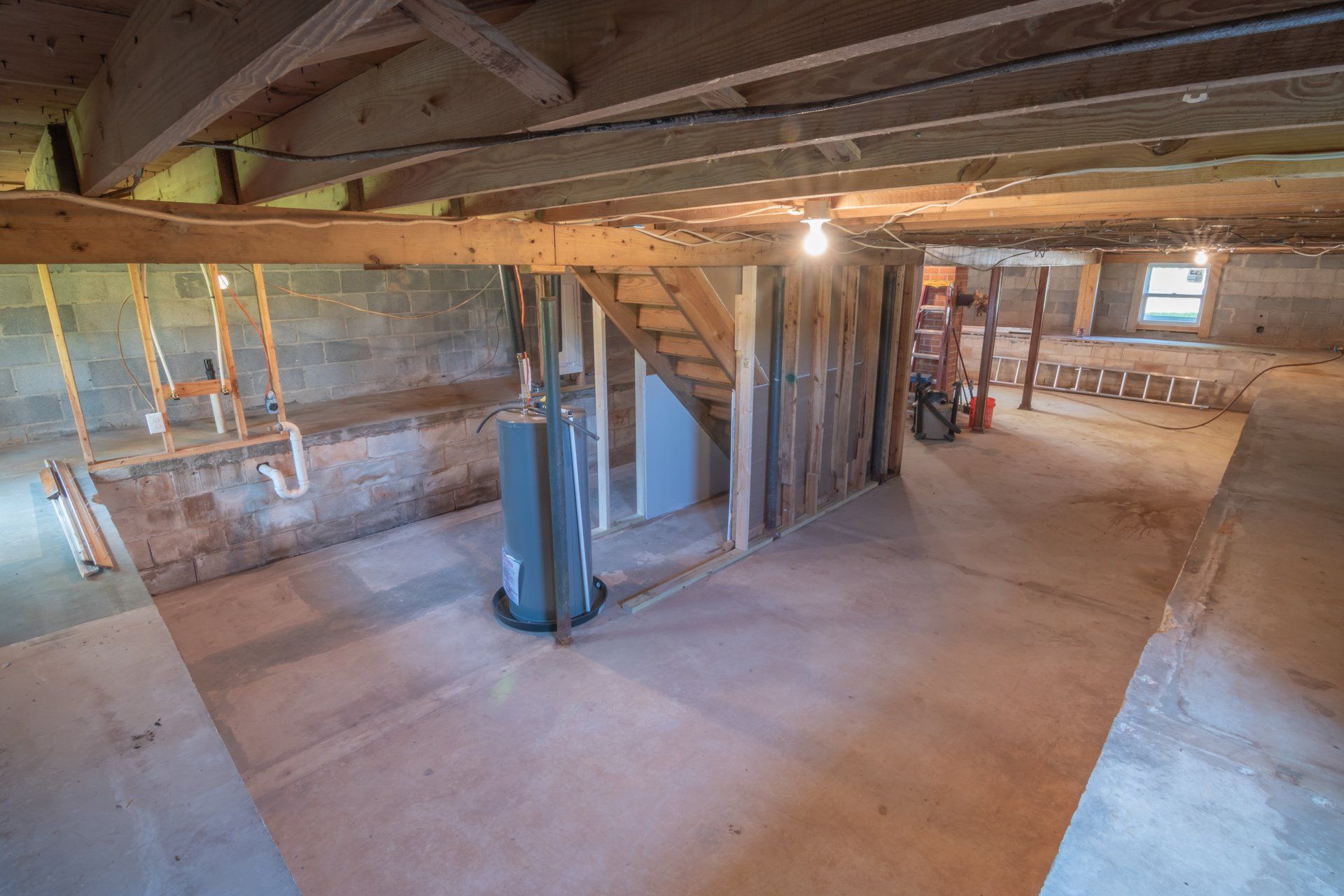
A Few Pros & Cons of Finishing Your Basement
If you have an unfinished basement, you may be considering finishing it to add additional living space to your home. A finished basement can provide a functional and comfortable space for a variety of uses, such as a home office, guest room, playroom, or entertainment area. However, finishing a basement is a significant investment that requires careful consideration. Before embarking on a basement finishing project, it's important to weigh the pros and cons to determine if it's the right decision for you.
Pros
Increases Value:
One of the biggest advantages of finishing an unfinished basement is that it can increase the value of your home. A finished basement adds functional living space that can be attractive to potential buyers, especially if it is done well. According to HomeAdvisor, the average cost of a basement finishing project is around $30,000, and it can add an average of $47,000 to the value of your home. This means that, in some cases, finishing a basement can be a good investment that pays for itself over time.
Provides Additional Living Space:
In addition to increasing the value of your home, a finished basement can also provide additional living space for your family. If you are running out of room in your home, finishing your basement can be a great way to give you that extra bedroom, play space, or office you've always wanted. This can be especially helpful if you are planning to have guests or if you work from home and need a dedicated space to work.
More Functional Storage:
A finished basement can also provide additional storage options. An unfinished basement is often used as a catch-all storage space, but a finished basement can provide organized storage options that are more functional and visually appealing. This can be especially helpful if you are running out of space in your home and need additional storage solutions.
Cons
Cost:
One of the biggest drawbacks of finishing an unfinished basement is the cost. Finishing a basement is a significant investment and it can be expensive to hire contractors or do the work yourself depending on the size of your basement, the materials you use, and the extent of the work required. In addition to the cost of materials and labor, you may also need to pay for permits and inspections, which can add to the overall cost of the project.
Work and Planning:
Another consideration when finishing an unfinished basement is the amount of planning and work required. A basement finishing project requires careful planning to ensure that it meets building codes and is functional and safe. You may also need to obtain permits and pass inspections before beginning the work, which is why it is incredibly important to work with a professional for projects of this caliber. In addition, if your basement is in poor condition, you may need to do extensive work, such as waterproofing, electrical and plumbing upgrades, and more, to make it safe and functional.
There is a lot to consider when contemplating a project of this proportion, so be sure to review all of your options. It's always wise to consult a building professional when pursuing any large home improvement projects, so reach out to your local contractor with any questions or concerns; they will be the best source of information and will help guide you in the right direction.