Cellulose Insulation

Sustainable & Environmentally Preferable

The embodied energy of cellulose compared to all other insulation is by far the lowest. It requires 20 to 40 times as much energy to produce furnace-made insulation materials compared to cellulose. Cellulose Insulation is made by electrically powered machines while mineral insulation is made in furnaces. Cellulose is also made with locally available materials other than the fire retardant, while mineral insulation factories have to ship materials and products over greater distances.
Cellulose insulation uses borates for fire retardation. Borates are a non-renewable mined product.

Product Safety
Cellulose insulation can be very dusty during insulation and it is recommended[citation needed] that a standard dust mask be worn while working. The fire retardant boric acid is about as dangerous as table salt[citation needed]. There is slight concern[citation needed] over the off gassing of ink from the newspapers but the material is sealed behind walls, and no studies have shown this as an issue.

Low Toxicity & Environmental Impact of Raw Materials
The non-recycled components of cellulose insulation in Vermont is still environmentally preferable to the raw materials of most other insulation types, which are often petrochemical-based (this includes foam and fiberglass). Unlike foam insulations, many of which use HFC or HCFC blowing agents which have global warming potential hundred or thousands of times higher than that of carbon dioxide, cellulose does not produce significant gaseous emissions. Unlike fiberglass, cellulose does not use formaldehyde-based glues, which present a continuing hazard after installation due to off-gassing of formaldehyde.Cellulose has great advantages for industrial health and worker safety. Toxicity of the raw materials of most insulation types is typically highest during manufacture or installation. Neither is an issue with cellulose.
The sole hazard of cellulose according to the categorization by the OSHA is that it is a dust nuisance, requiring a simple dust mask during installation. This compares very favorably to the potentialNIOSH cancer risk of fiberglass


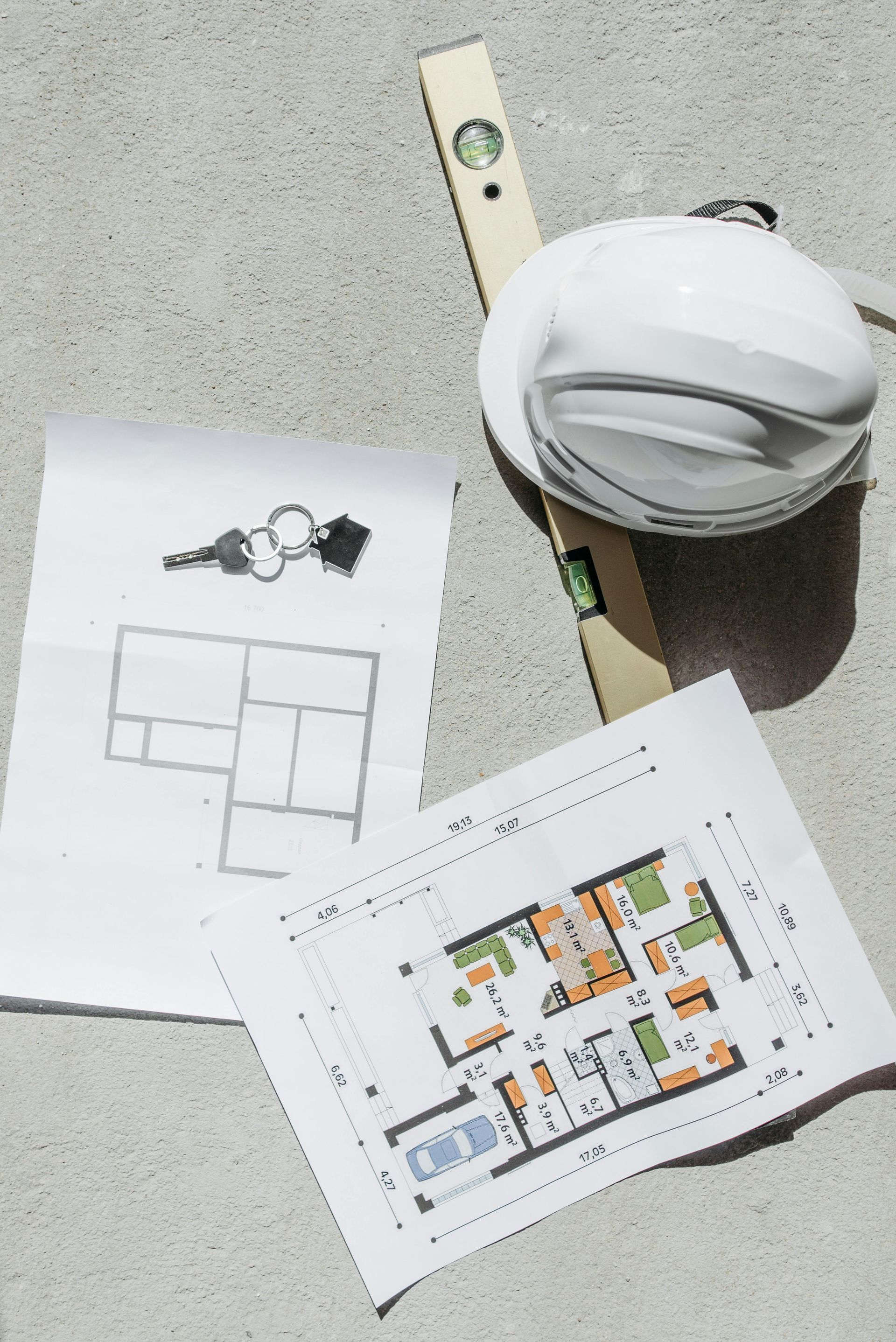
Architectural floor plans, a set of keys, a construction level, and a hard hat resting on a textured concrete surface.
By Blog Owner May 1, 2026
Discover the benefits of working with a local Vermont builder, from climate expertise to trusted relationships and smoother project planning.
A room undergoing renovation with exposed wooden wall studs, white walls, and a wooden door visible in the background.
By Blog Owner April 21, 2026
April is the perfect time to start a home build or renovation in Vermont. Learn how early planning leads to smoother spring projects.
Deep, muddy tire tracks leading through a grassy field towards a line of bare trees under a bright blue sky.
By Blog Owner April 1, 2026
Mud season in Vermont can impact your home and property. Learn how to protect your driveway, foundation, and yard this spring.
Snowy residential street; houses, trees, and car visible under a clear, bright sky.
By Blog Owner March 30, 2026
Winter can take a toll on Vermont homes. Learn what to inspect and address in early spring to protect your home and plan repairs.
Blueprint with tools: drill, level, tape measure, screws, and wall anchors on wooden surface.
By Blog Owner March 12, 2026
Learn what to look for when choosing a home builder in Vermont, from experience and communication to craftsmanship and project management.
Architectural blueprints showing a kitchen with appliances, dining area, and other details.
By Blog Owner February 24, 2026
Tanguay Homes helps Northeast Kingdom homeowners plan smart additions and renovations built for Vermont’s climate.
Brick house in winter snow with dark roof, windows, and front steps.
By Blog Owner February 10, 2026
Cold weather can reveal hidden home issues. Learn which winter problems Vermont homeowners should address now before spring arrives.
By Blog Owner January 31, 2026
Noticing drafts or high heating bills this winter? A mid-winter home check can improve comfort and energy efficiency in Vermont homes.
A snow-covered house with trees in a winter setting.
By Blog Owner January 28, 2026
Planning a home renovation or custom build in Vermont? Learn why winter is the best time to plan your spring construction project with Tanguay Homes in Newport, VT.
A kitchen with white cabinets and a stainless steel refrigerator
By Blog Owner December 29, 2025
Explore the top custom kitchen trends for 2025 that Vermont homeowners should know. From sustainable materials to smart technology, Tanguay Homes shares ideas to inspire your next kitchen remodeling and Vermont home renovation.