What to Know Before Starting a Home Addition in Vermont
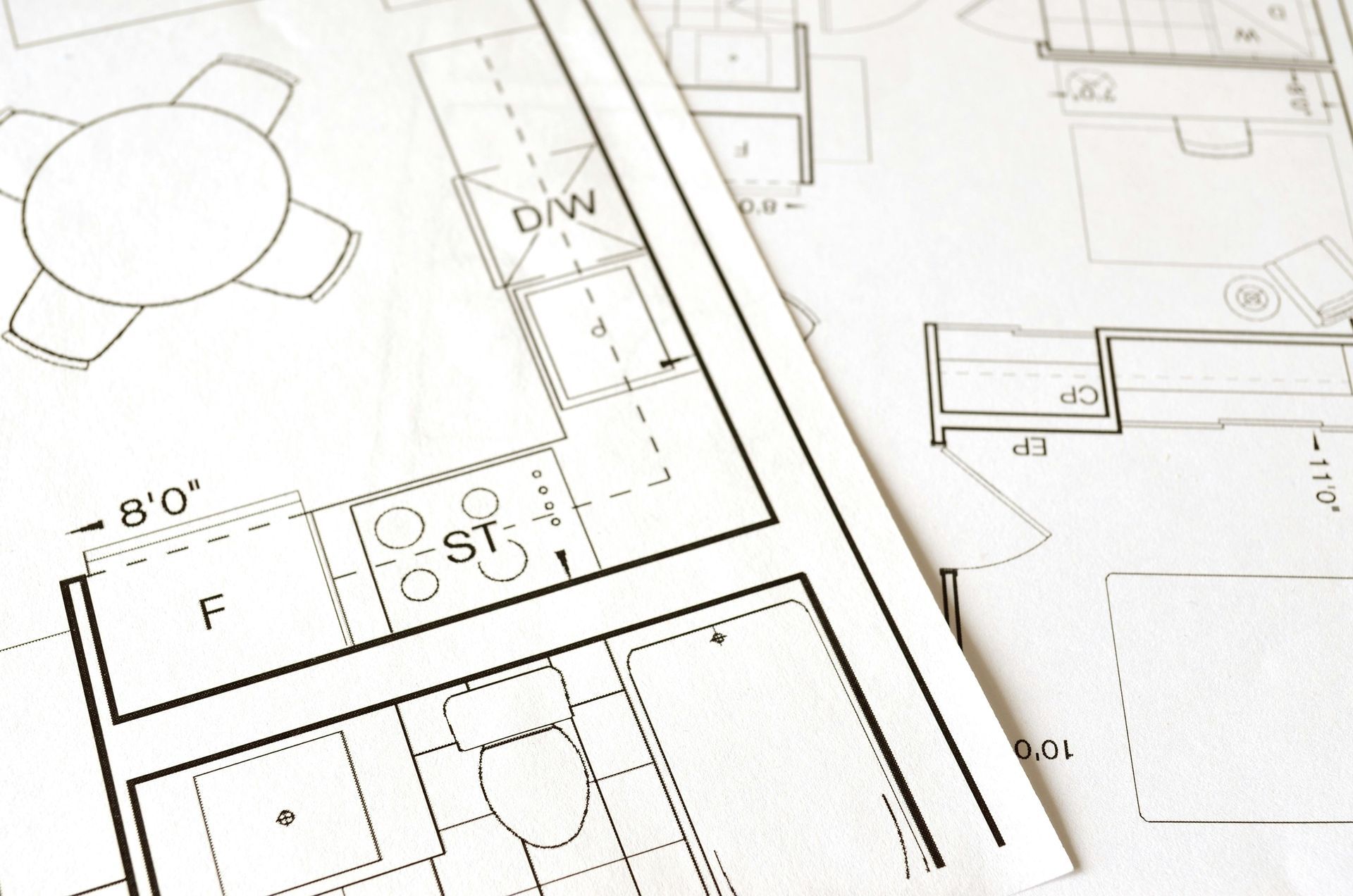
A home addition can be a great way to gain space without relocating, but careful planning is essential—especially in Vermont, where climate, zoning, and seasonal factors play a major role in construction projects.
Understand Your Goals and Space Needs
Before starting a home addition, consider how the space will be used. Whether you need an extra bedroom, home office, family room, or expanded kitchen, defining your goals early helps guide design and budget decisions.
Plan for Vermont’s Climate
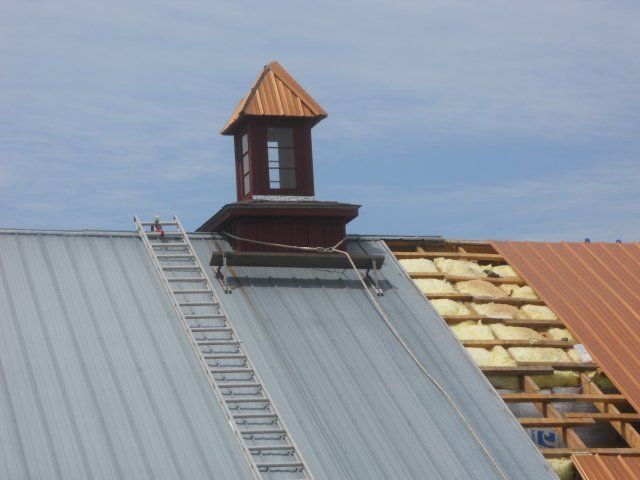
Vermont’s weather affects construction timelines and material choices. Additions must be properly insulated and designed to handle cold winters, snow loads, and temperature changes. Working with a builder experienced in Vermont construction ensures your addition performs as well as it looks.
Design for Seamless Integration
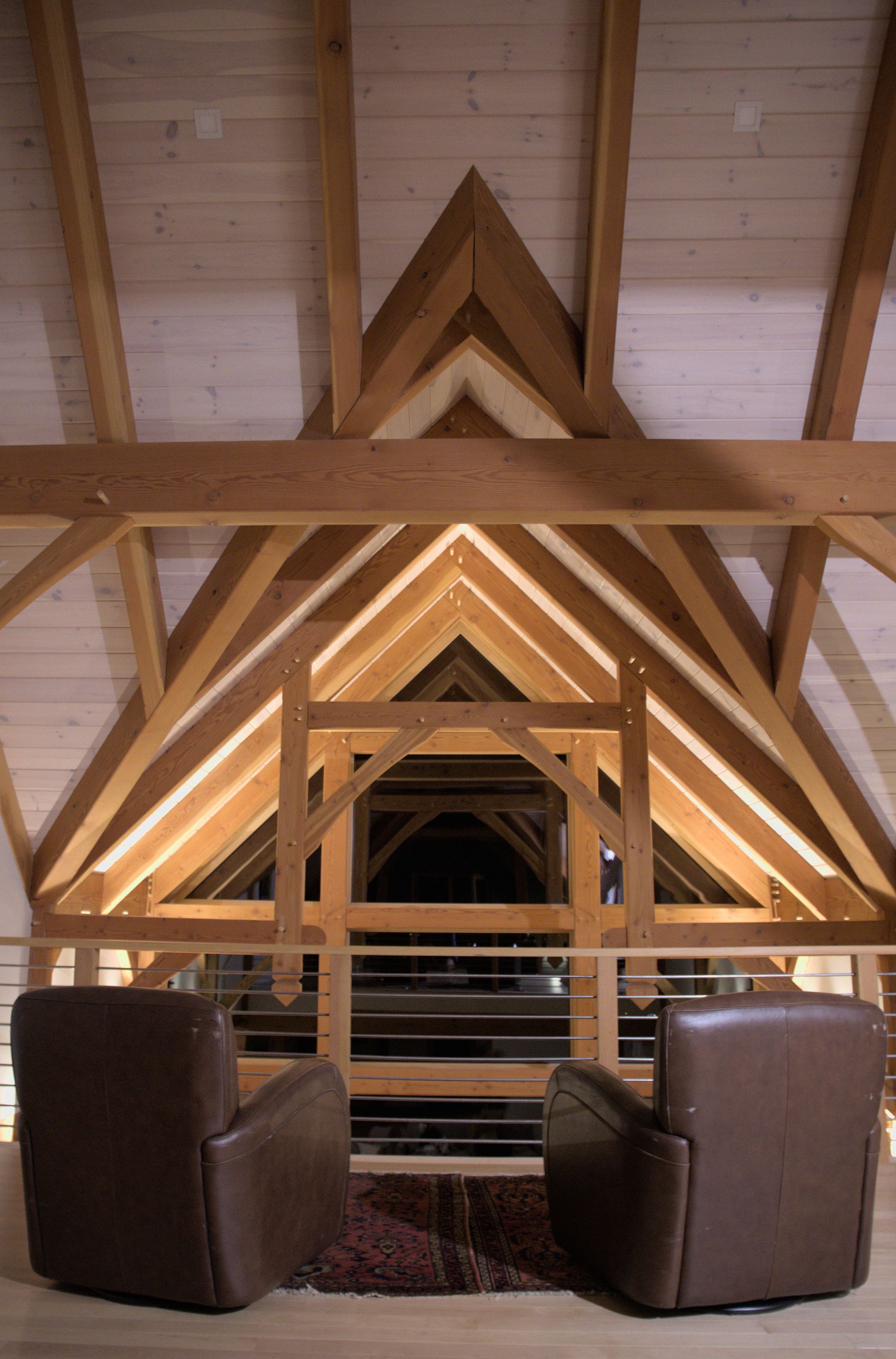
A well-planned addition should feel like a natural extension of your home. Rooflines, exterior finishes, and interior flow all matter. Thoughtful design ensures the new space blends seamlessly with the existing structure.
Budget, Permits, and Scheduling
Home additions require careful budgeting, permitting, and scheduling. Zoning regulations, inspections, and approvals vary by town. Planning early—especially in winter—helps avoid delays and ensures smoother construction once work begins.
Work with a Trusted Vermont Builder
Choosing the right contractor is key to a successful home addition. Look for a builder who manages the process from design through construction, communicates clearly, and understands Vermont’s building requirements.
At Tanguay Homes, we guide homeowners through every step of the addition process, creating functional, durable spaces designed for Vermont living.