Tips to Cut Down on Heating Costs This Winter
How to Cut Down on Winter Heating Costs
Winter can be tough on us all; not only do we have to spend time and money preparing our vehicles for snow and ice, but we have to make sure our homes are ready for the long, cold months too. Depending on where you live and your heating source, heating your home can be a pricey endeavor, so follow along for some tips on how to cut your costs this winter.
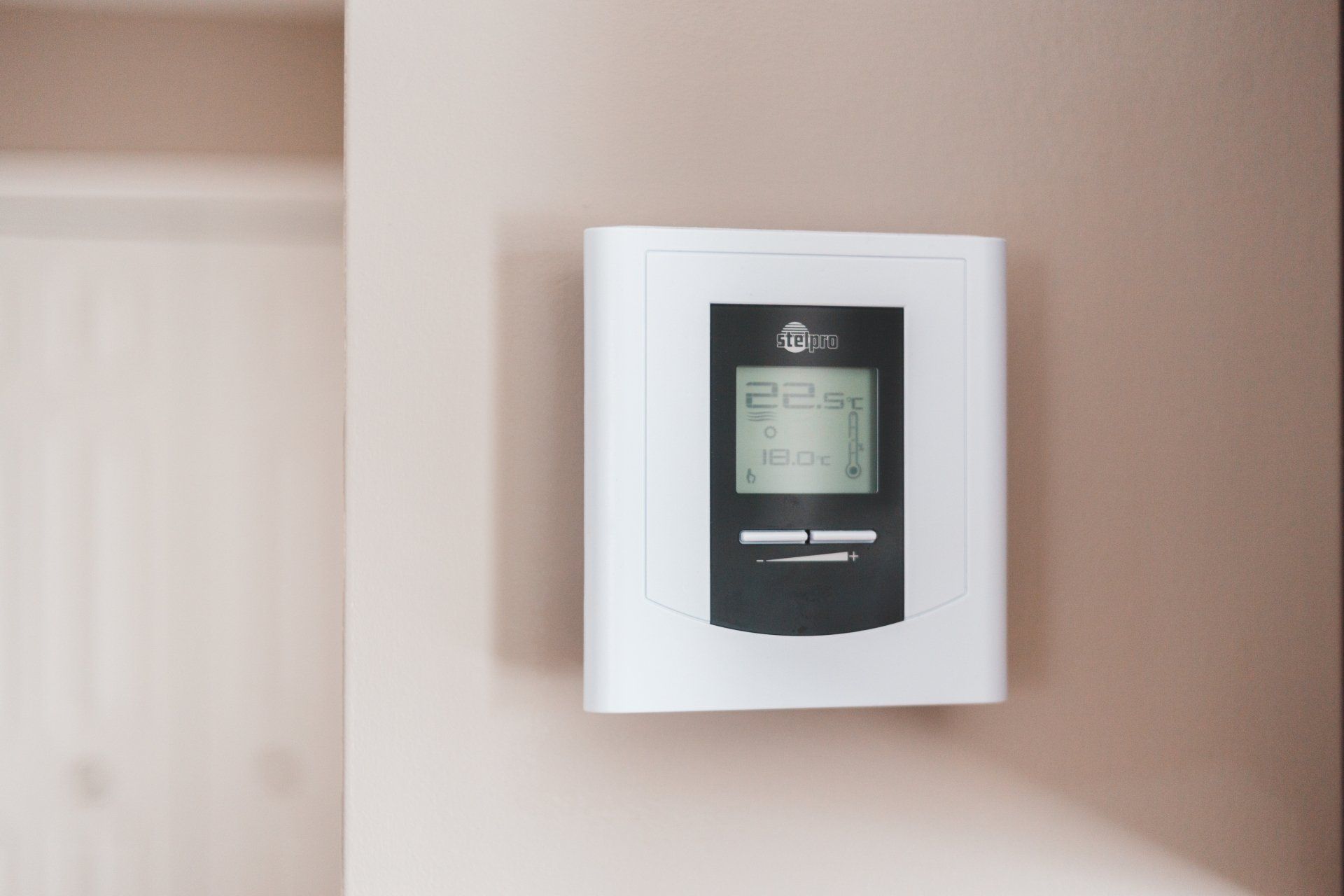
Set your thermostat to a lower temperature:
Setting your thermostat to a lower temperature can help you save on heating costs because it takes less energy to maintain a lower temperature than a higher one. For example, if you set your thermostat to 68 degrees instead of 72 degrees, you could save up to 10% on your heating costs. Even just lowering the temperature when you're out of the house or going to bed can make a major difference! If sleeping cold is too uncomfortable for you, consider an electric blanket for nighttime rather than using your heaters.
Seal air leaks:
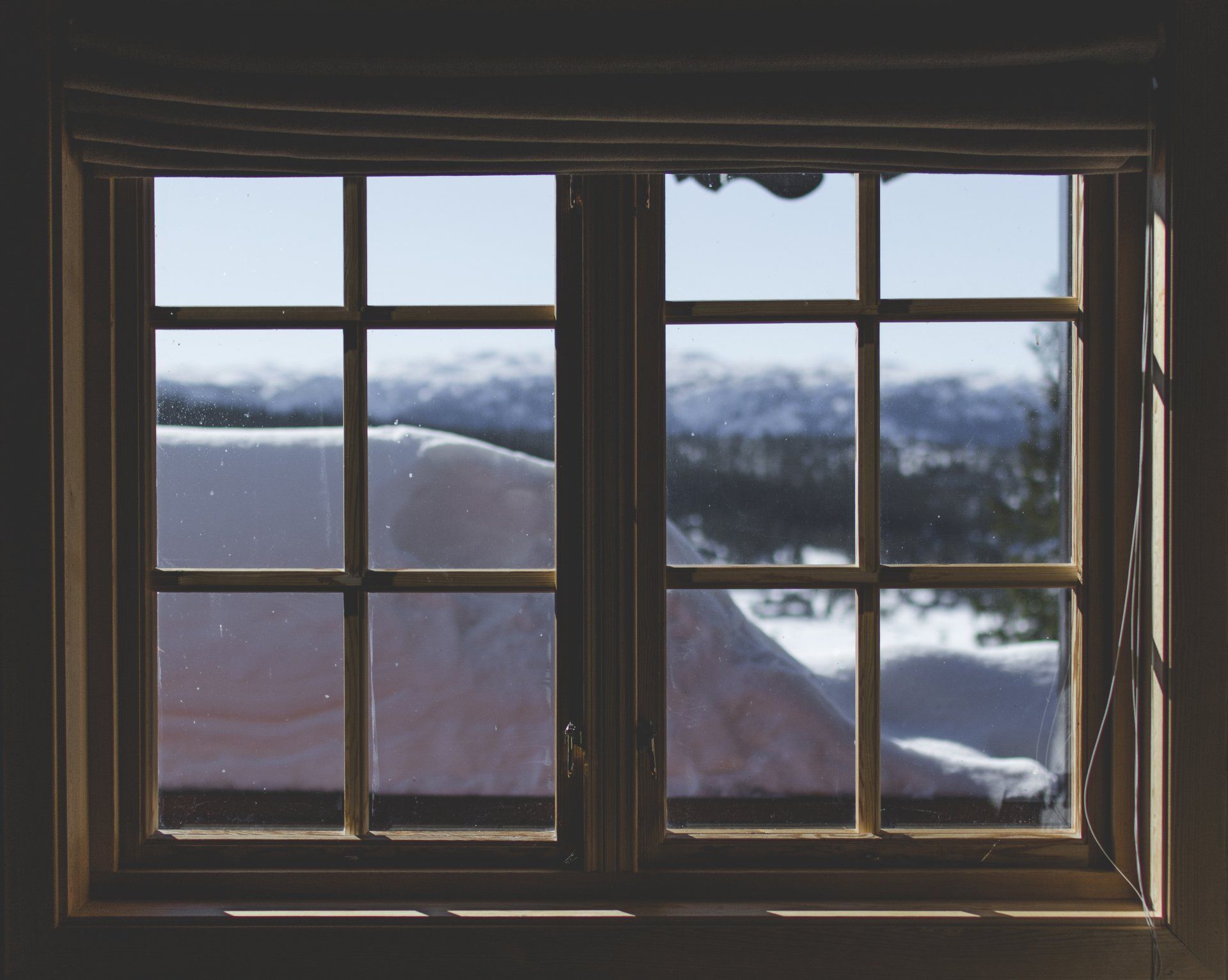
Air leaks around doors, windows, and other openings can let heat escape from your home. You'd be surprised just how much a small air leak can affect the heat levels in your home. To combat this you can use weatherstripping to seal gaps around doors and windows and use caulk to seal gaps around electrical outlets, light switches, and other openings. To check for drafts, simply go to each window, outlet, etc... and place your hand where air could potentially make its way inside. If it feels cool, seal it up!
Use draft-stoppers:
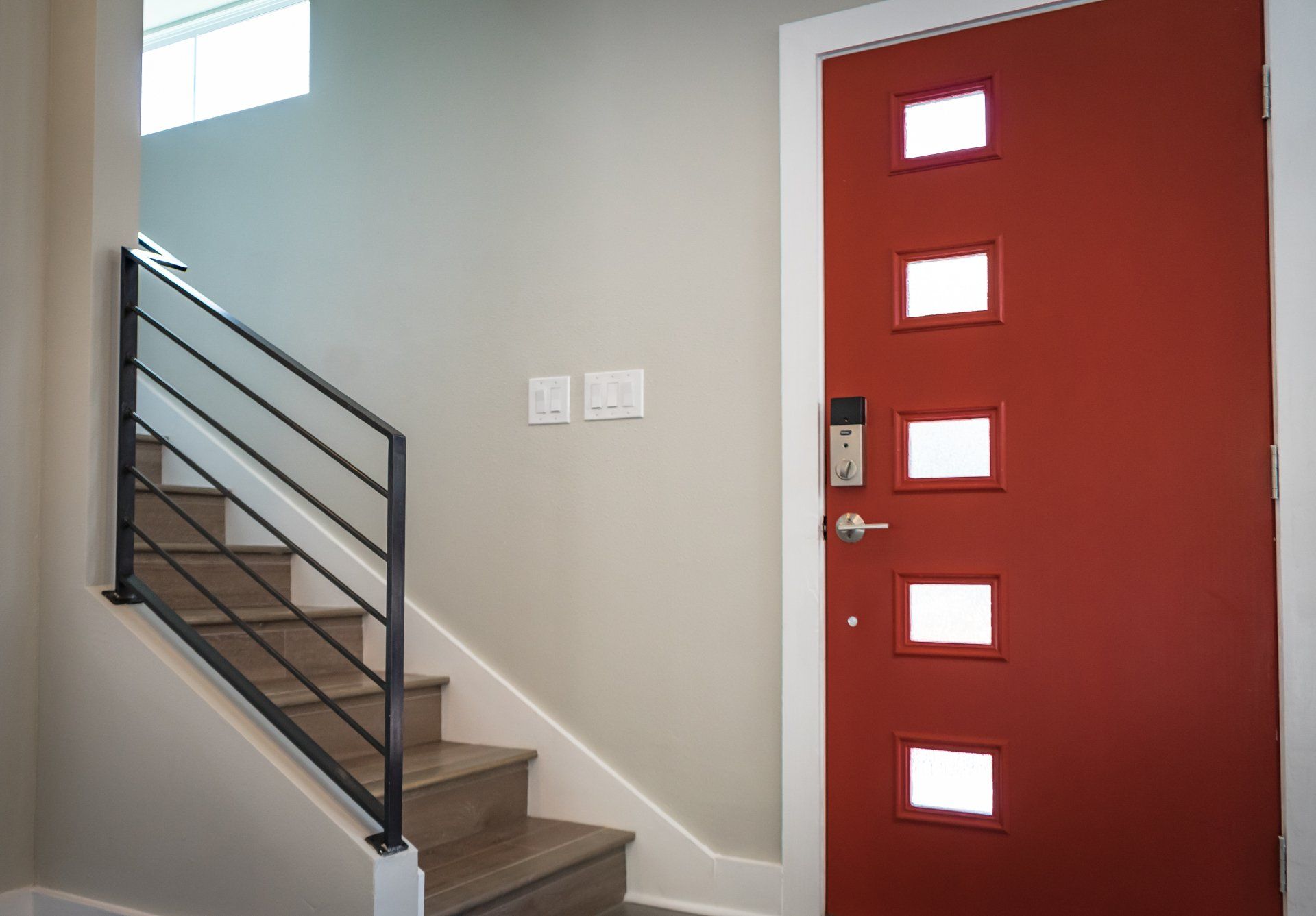
Draft stoppers are simple devices that you can place along the bottom of doors to block drafts and help keep your home warm. They can be made from a variety of materials, such as foam, fabric, or even old socks filled with rice. While you can place draft stoppers at any door, the best place to keep them is by any door that leads outside.
Use space heaters wisely:
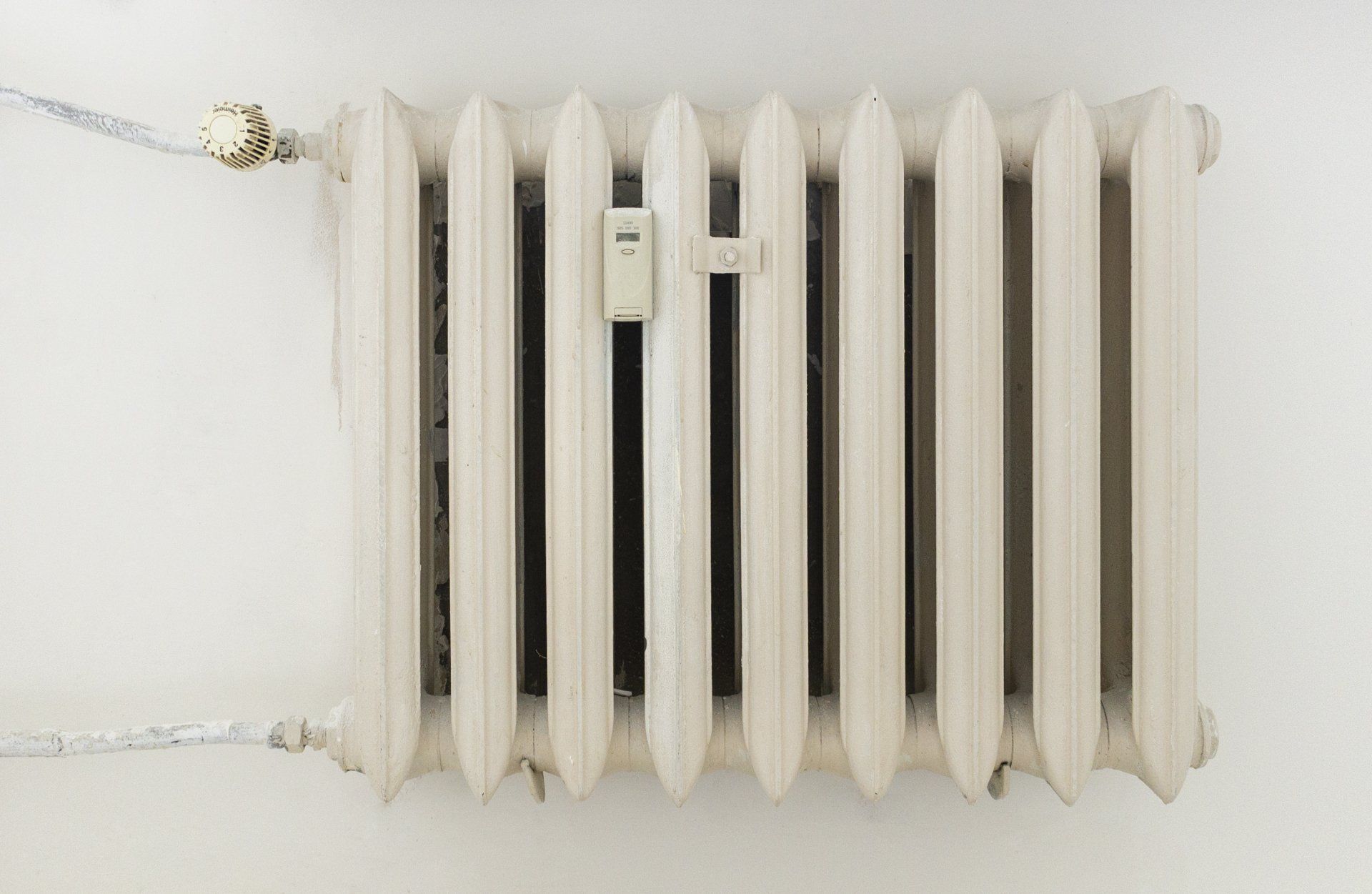
If you have a room that's not being used often, consider using a space heater to heat it instead of turning up the thermostat for the entire house. Just be sure to turn off the space heater when you're not using it to save energy. Also, be sure to use space heaters safely by keeping them away from flammable materials and never leaving them unattended. Alternatively, if you have heating systems that can adjust room-to-room, you may consider keeping the heat down in rooms you spend less time in.
Keep your home well-insulated:
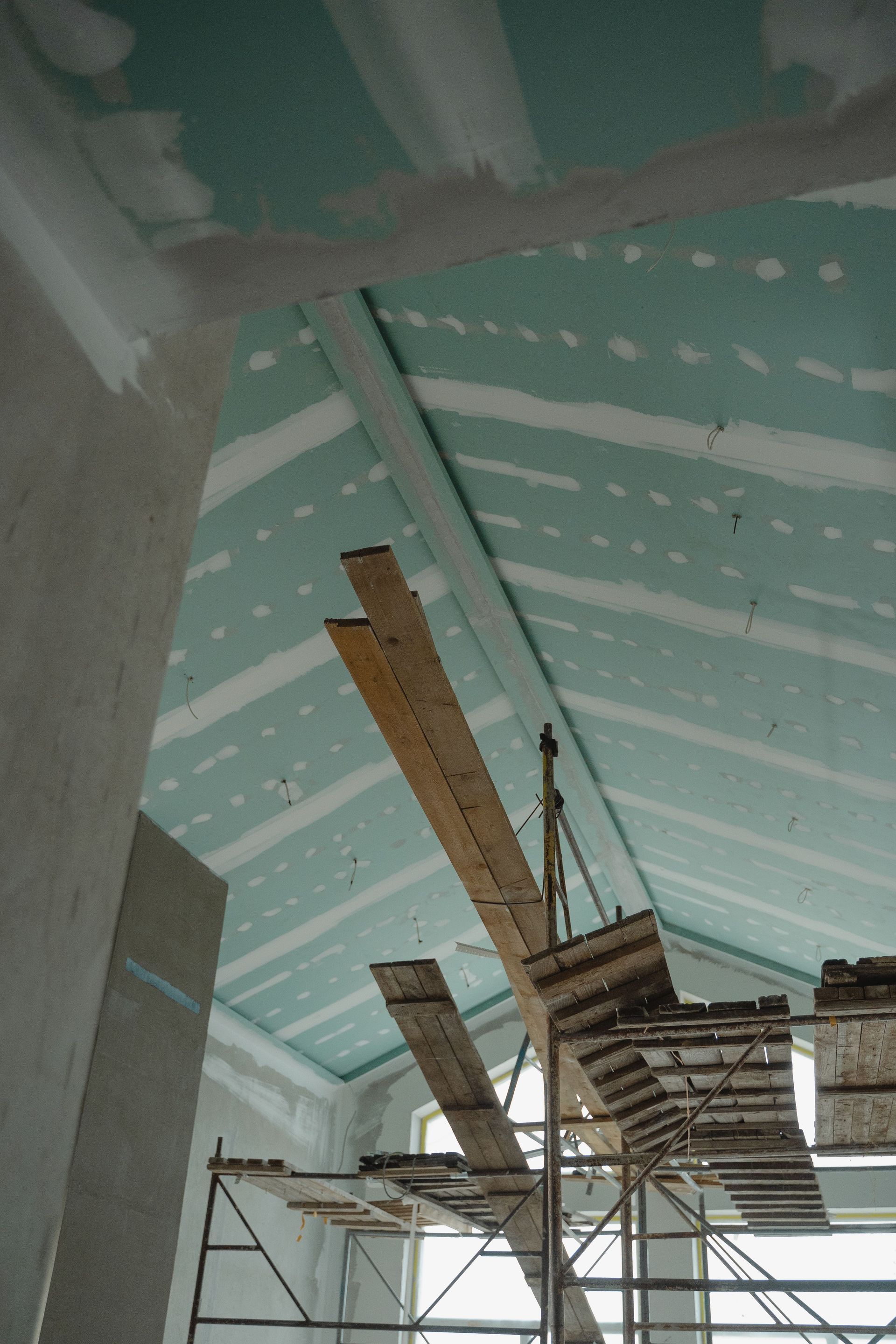
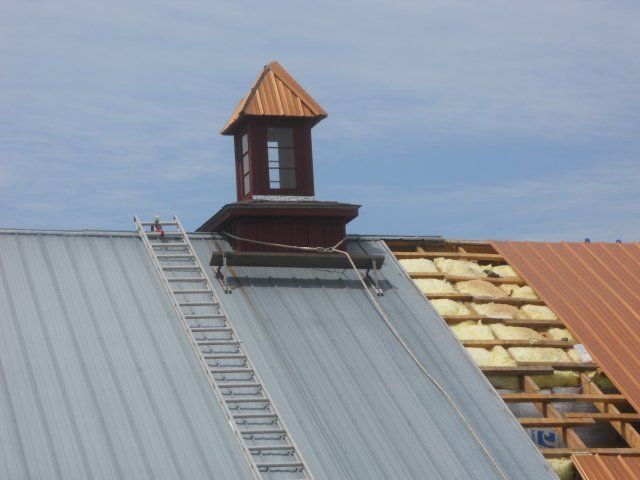
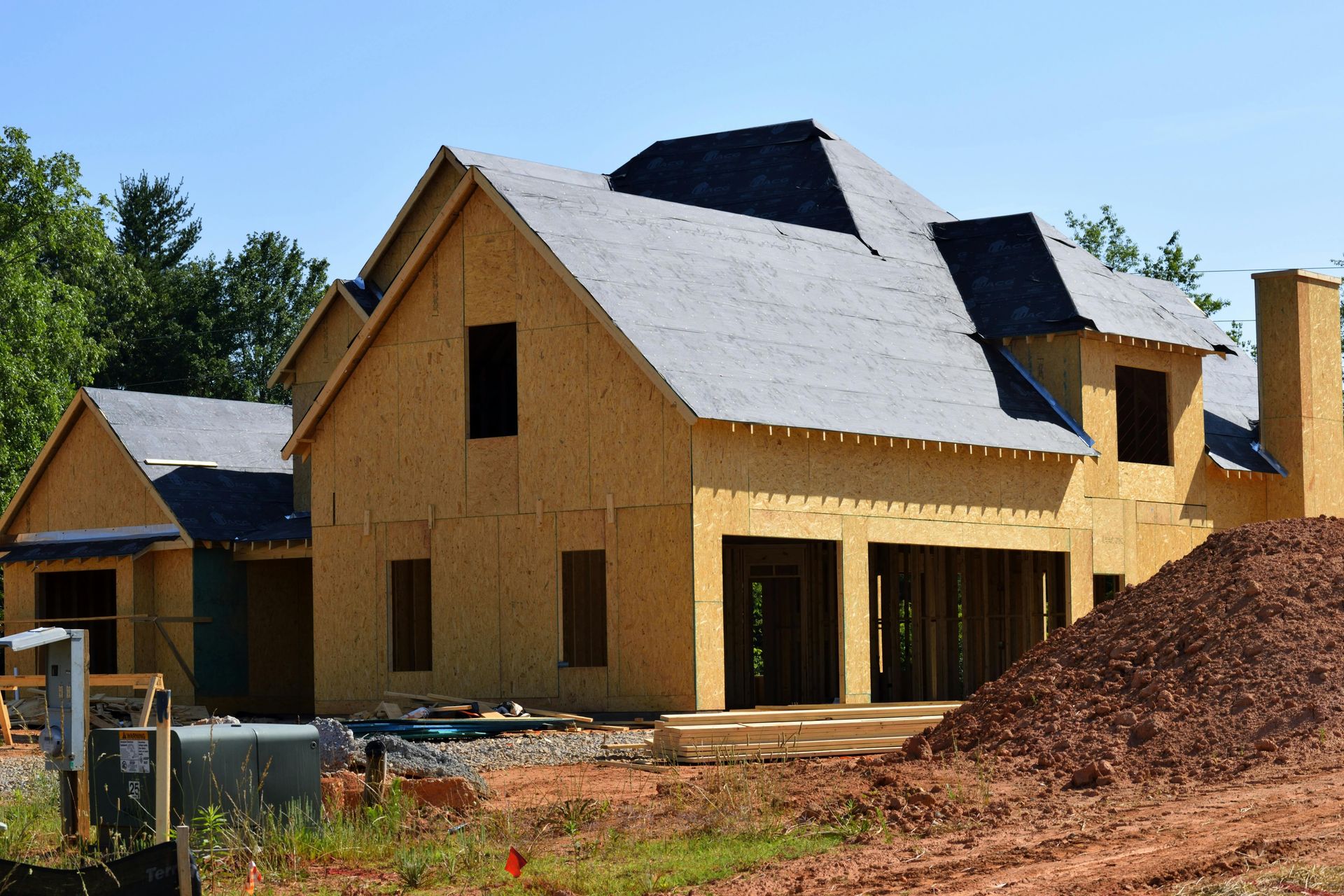
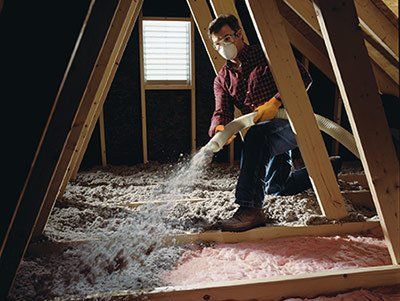
Proper insulation is essential for keeping the heat in and cold out. Insulation is rated by its R-value, which measures its resistance to heat flow. The higher the R-value, the better the insulation is at keeping the heat in. Consider adding insulation to your attic, walls, and crawl spaces to help keep your home warm. This is best done by a professional for health and safety reasons, so call on your local home insulator to get the job done right! Depending on your area, there may even be government programs to assist you with the cost of these updates.
Now that you have some tricks up your sleeve, you're on your way to lowering your heating costs. While we can't guarantee that all of these tips will work for your specific situation, we can say that they're worth a try!
Give these tips a shot and you're on your way to becoming a saavy spender when it comes to heating your home.