5 Things To Know For the Perfect Interior Paint Job
What You Need To Know Before Painting Inside Your Home
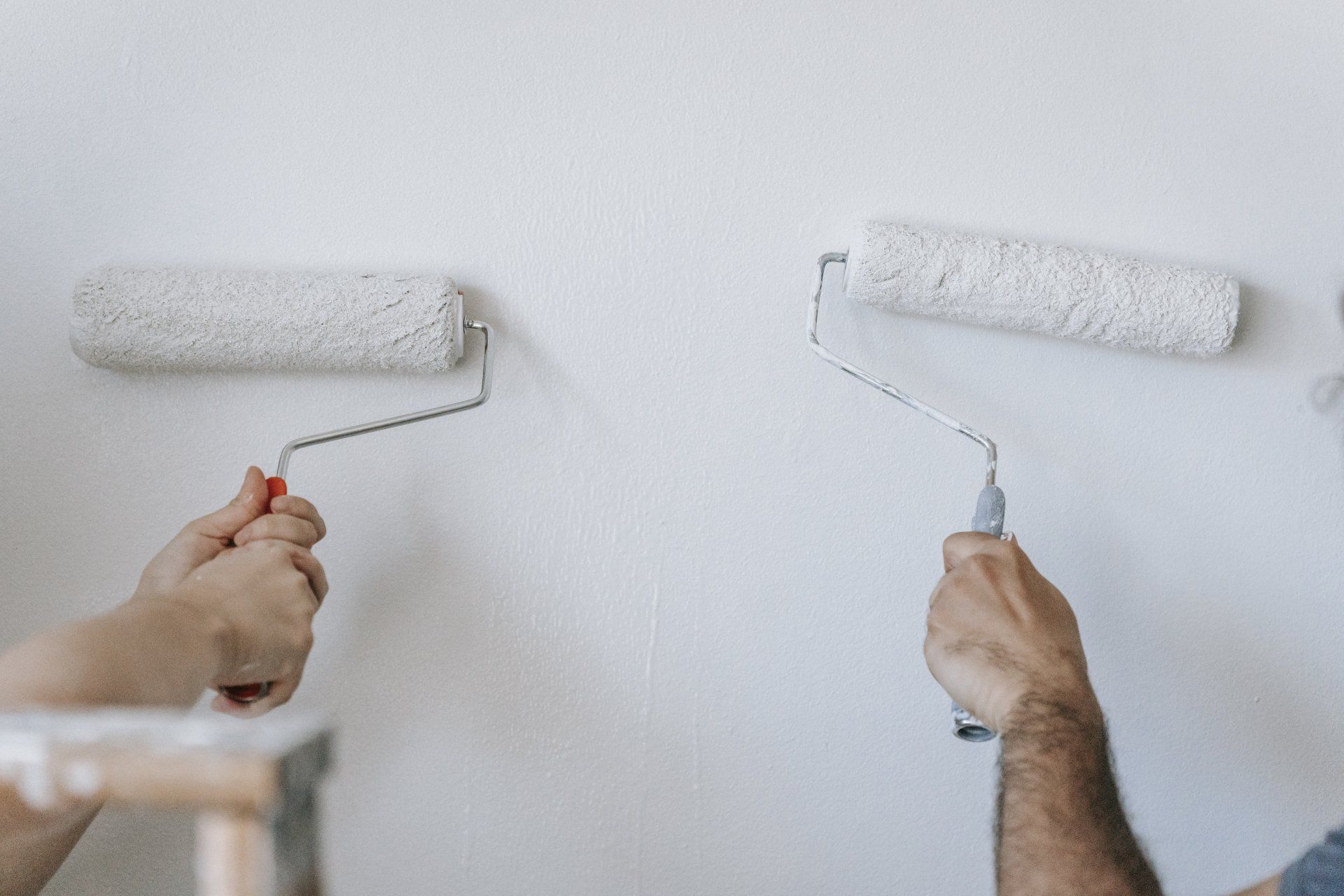
Painting the interior of your home is a great way to pass the time and spruce up your space during the cold winter months. A coat of paint can change the entire aesthetic of a room and is an affordable way to spice up your interiors! Follow along for tips and tricks to make painting your bedroom, kitchen, bathroom, and anything in between, a little easier!
Prepare Your Space
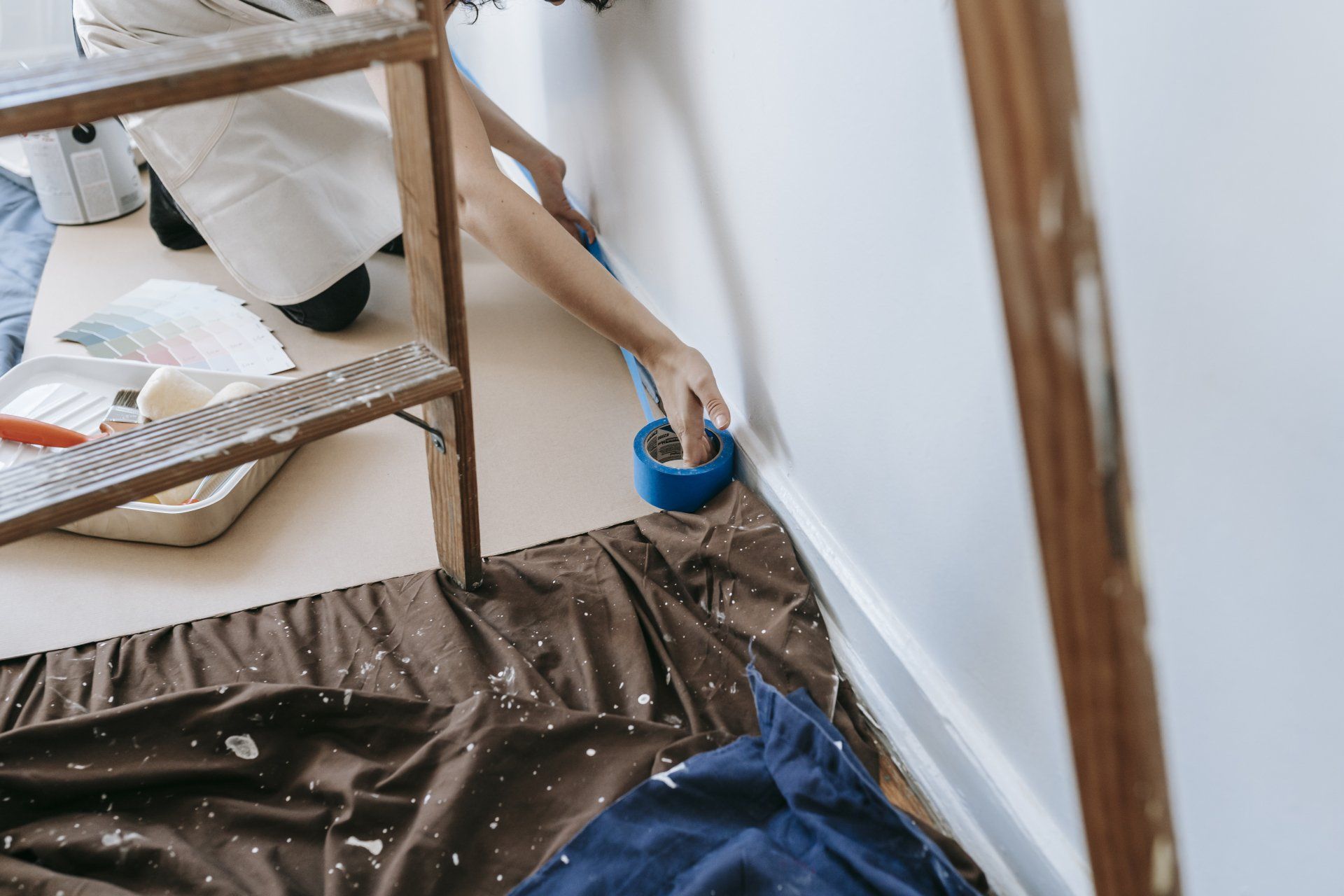
Before you start painting, make sure you have a clear work space. Move furniture out of the way, remove artwork or mirrors from the walls, and make sure anything that has to stay in the room is covered to avoid damage. Be sure to remove any stray thumbtacks or nails that may be in your walls, and give everything a good wipe-down before you add the first layer of paint. It may seem like an unnecessary step, but you should also consider putting down a drop cloth to protect your floors and adding painter's tape around the edges of your windowsills and baseboards to keep them paint-free.
Test Your Color
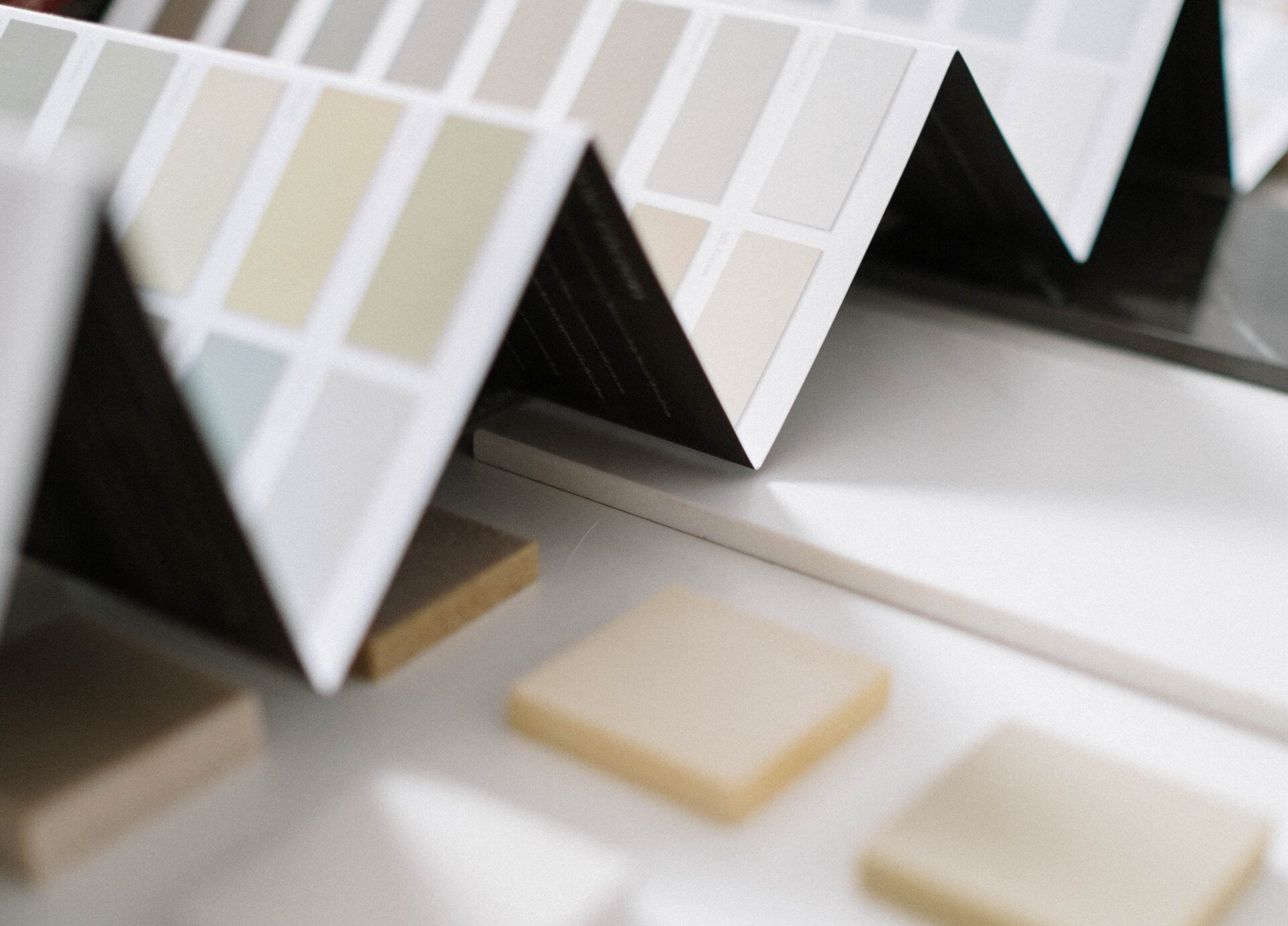
No one wants to paint a whole room only to realize the color is a shade off from what they imagined. Take the time to test all of your options before committing to one! Buy a sample, apply it to your walls, and wait for it to fully dry so that you can see exactly how it will look in the daytime, nighttime, and every kind of light. This will not only save you money in the long run, but you'll be able to make a more confident decision.
Be Picky About the Finish
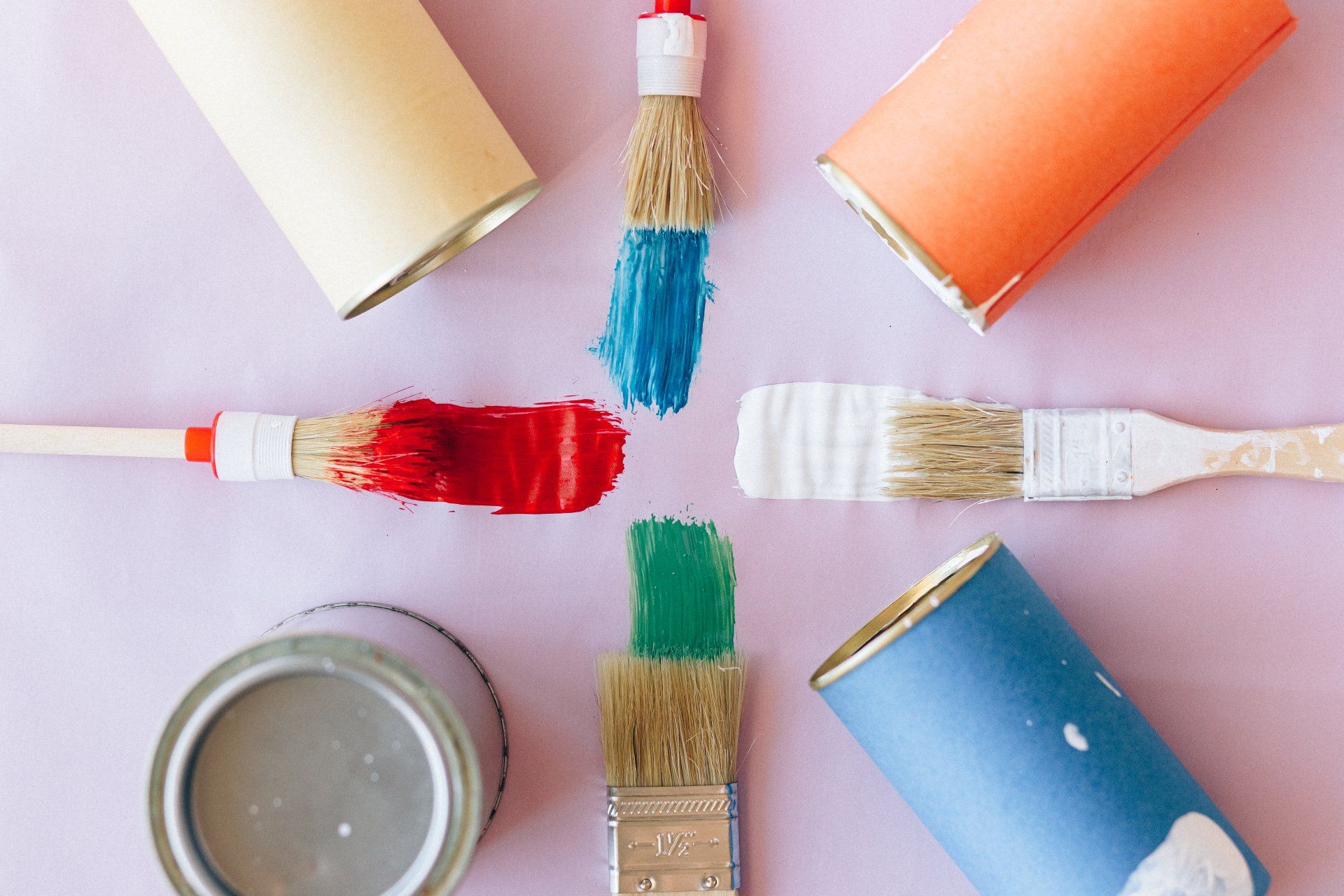
The paint finish can be just as impactful as the paint color, so don't just go with the first thing you see. High gloss paint will be easier to clean, but may highlight imperfections in your walls, while flat paint may hide these imperfections, but is more susceptible to damage. An eggshell is a happy medium, as it offers both a light sheen and is less prone to damage.
Prime
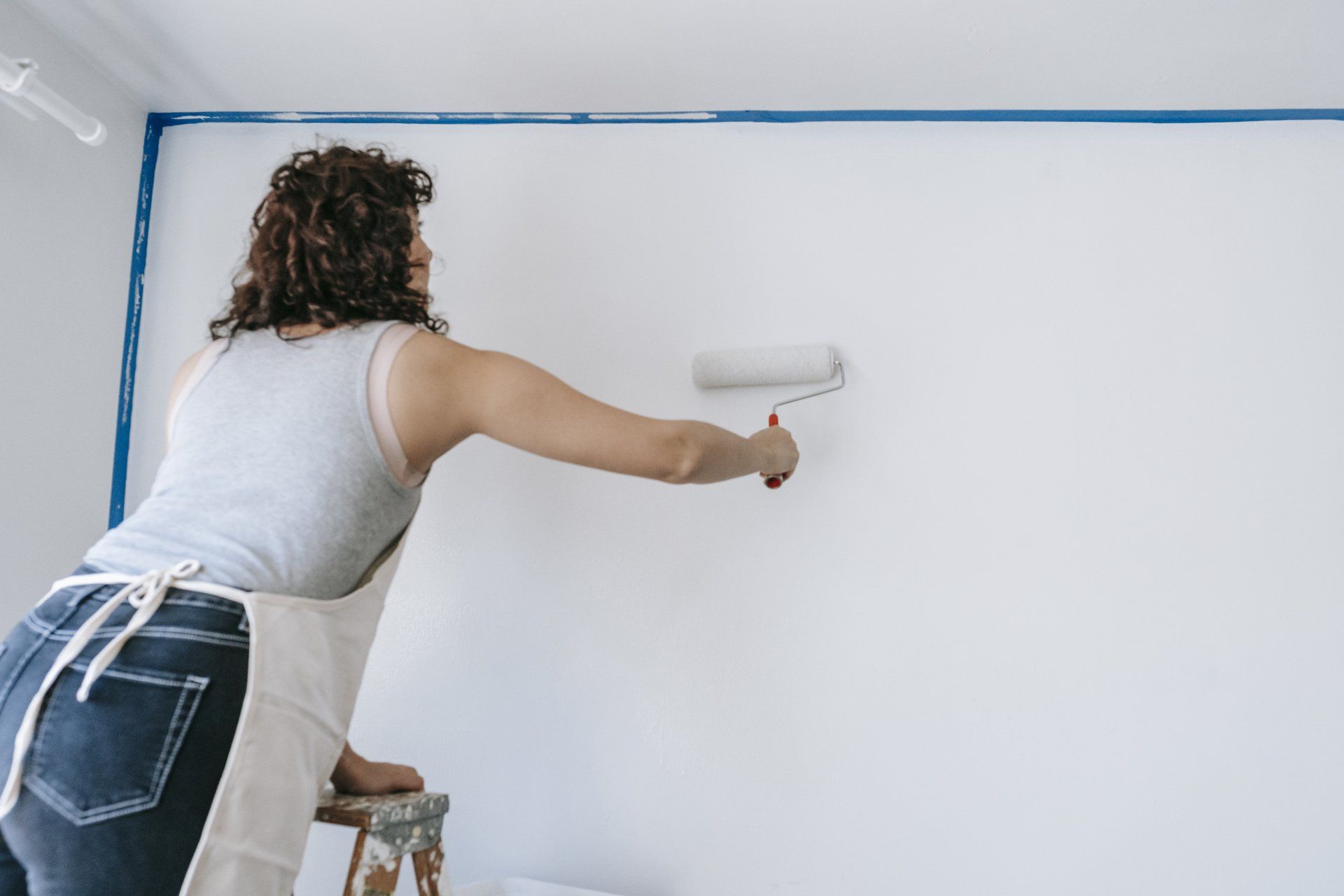
Priming your walls before you paint will save you a lot of hard work! It helps to seal the walls and allows for a more uniform effect overall. Additionally, when you prime you will typically need to add fewer coats of your main color, which can be a great way to save money. Priming doesn't mean that you can skip cleaning your walls though, so be sure to wipe everything down before you pick up a roller or brush.
Think Outside The Box
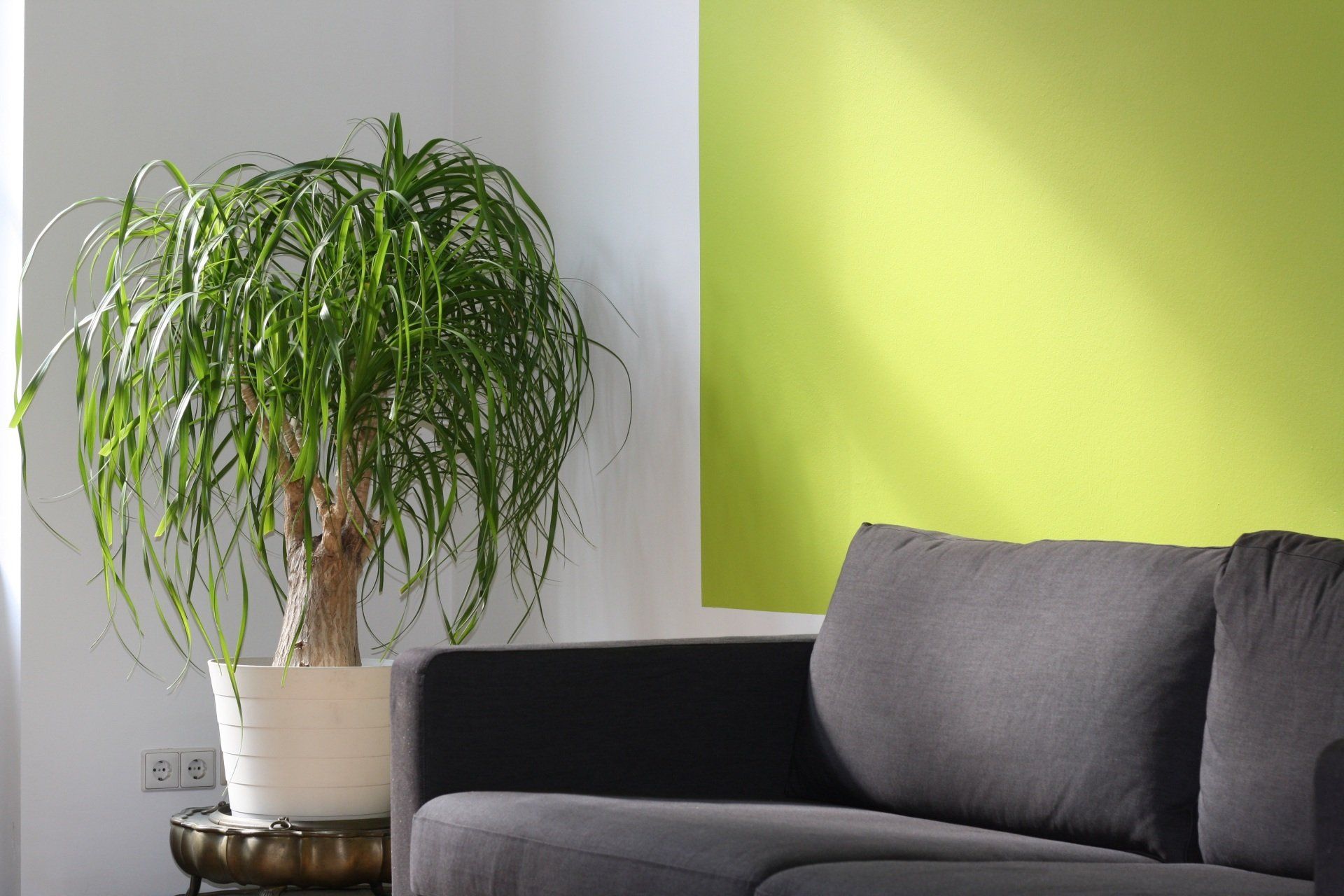
Though it may seem overwhelming, adding color is a great way to personalize and add depth to your space. Remember that paint can always be changed, so doing something a little crazy doesn't have to be a huge commitment! If a color seems like too much for an entire room, consider only doing an accent wall. Color can add warmth, whimsy, and excitement to a space, so don't be afraid to think outside the box; you might be surprised by the results!
And don't forget to follow the instructions on your paint can! Most paints will require the room to be 60 degrees Fahrenheit or higher for the paint to properly adhere to the walls.
Follow these tips and your paint job will look like it was done by a pro.