Understanding the Importance of Insulation
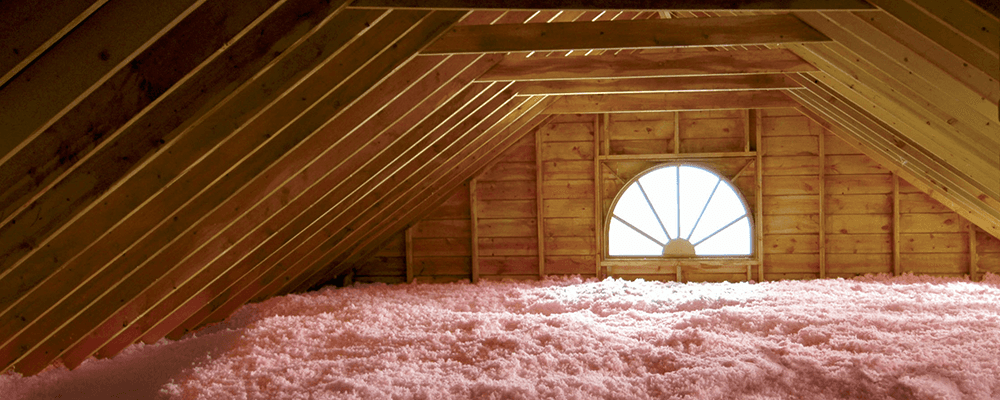
If you're like the vast majority of homeowners you're concerned about the costs of heating (and cooling) your home. There's a good reason for your concern, the US Department of Energy estimates that just under half (44%) of the energy used in the average American home goes toward either heating or cooling the home. However, there is some good news, the DOE estimates a homeowner may be able to reduce their heating bill by 10% to 50% simply by increasing the amount of insulation installed in their homes.

Why insulation is important

Air naturally tends to move from warm areas towards colder areas and insulation restricts this natural movement. So, during the cold season, insulation prevents cold from coming into the house through the ceilings or walls, (it works the same way during the hot summer, keeping the cool air inside the house and blocking it from moving towards the warmer area outside.

Where should insulation be installed?

Insulation should be installed in any barrier (wall or ceiling) the stands between cold air and warmer air or unheated spaces and hated spaces. So, in a typical home the most important areas to have well insulated are the ceiling, the walls and the basement. Crawl spaces and garages are also areas where insulation can be added to reduce heat loss.

Understanding 'proper' insulation means understanding R-values.

Insulation is measured by its R-value , - it's resistance to heat flow. The higher the number, the more blocking capacity or insulating it provides. Different materials have different heat blocking capabilities, therefore different R-values. As well, the thickness of the insulation, where it's installed and how well it's installed will determine the total R-value of the insulation in your home. Since R- values are cumulative (they add together) the total R-value is the sum of the R-values of the insulation in any particular area of your home.

http://www.doityourself.com/stry/understanding-insulation
New home construction in Vermont with framed house structure during summer build.
By Blog Owner June 9, 2026
Thinking about building a home in Vermont? Discover why summer is the ideal time to start construction, from stable ground conditions to faster build timelines.
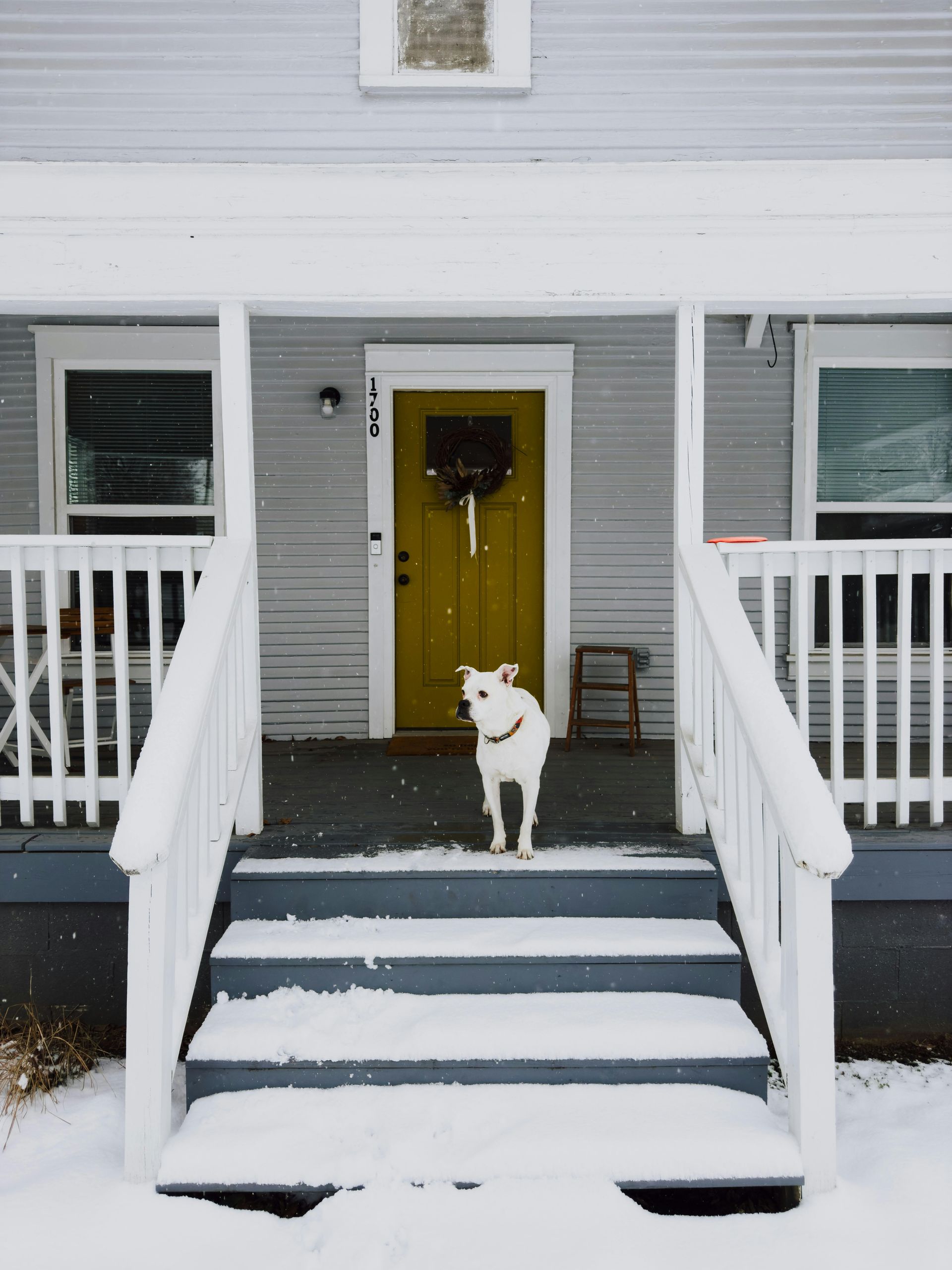
A white dog stands on the snowy front steps of a grey house with a yellow front door.
By Blog Owner May 25, 2026
Explore deck and porch ideas built for Vermont summers. Learn how to design durable, comfortable outdoor living spaces for your home.
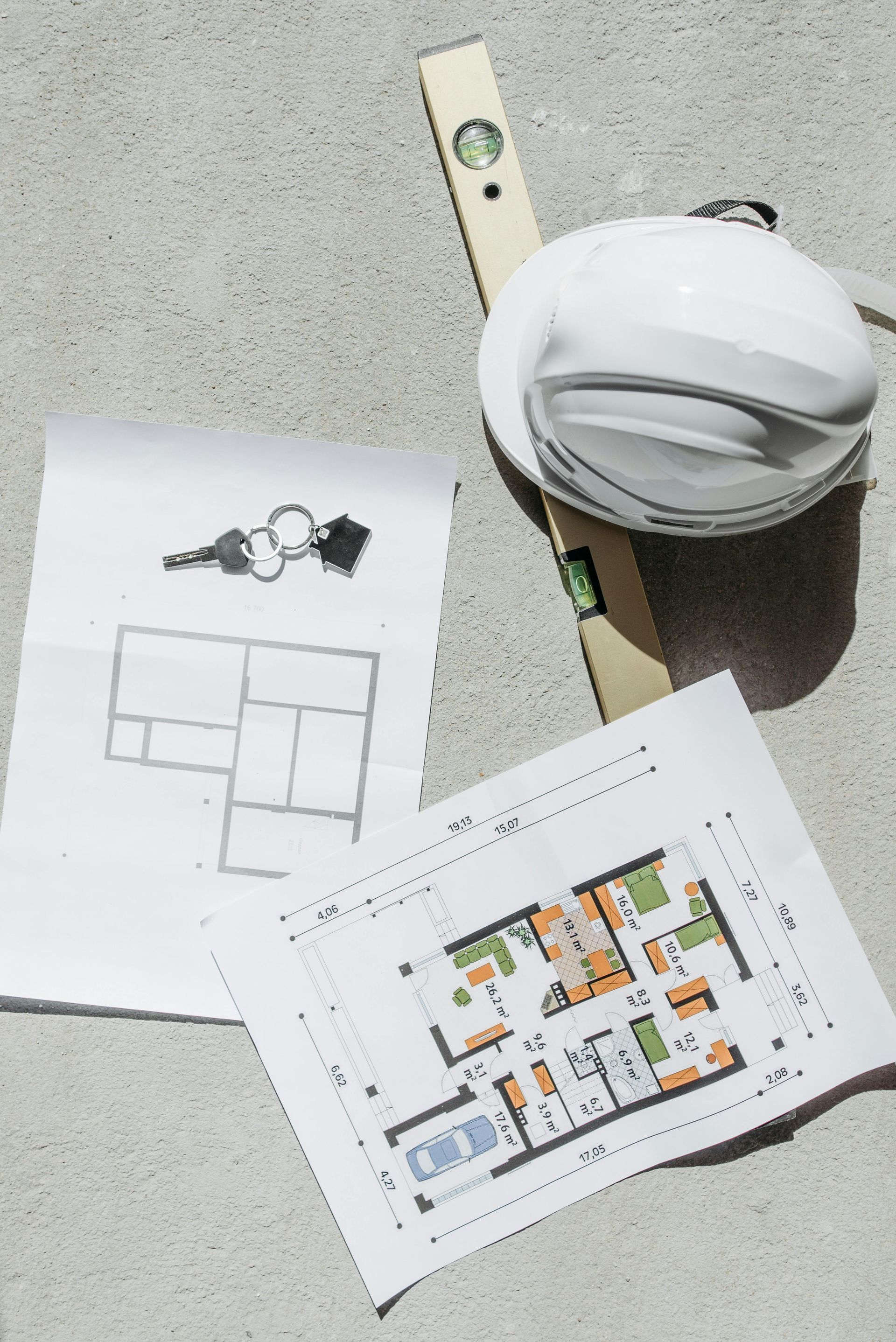
Architectural floor plans, a set of keys, a construction level, and a hard hat resting on a textured concrete surface.
By Blog Owner May 1, 2026
Discover the benefits of working with a local Vermont builder, from climate expertise to trusted relationships and smoother project planning.
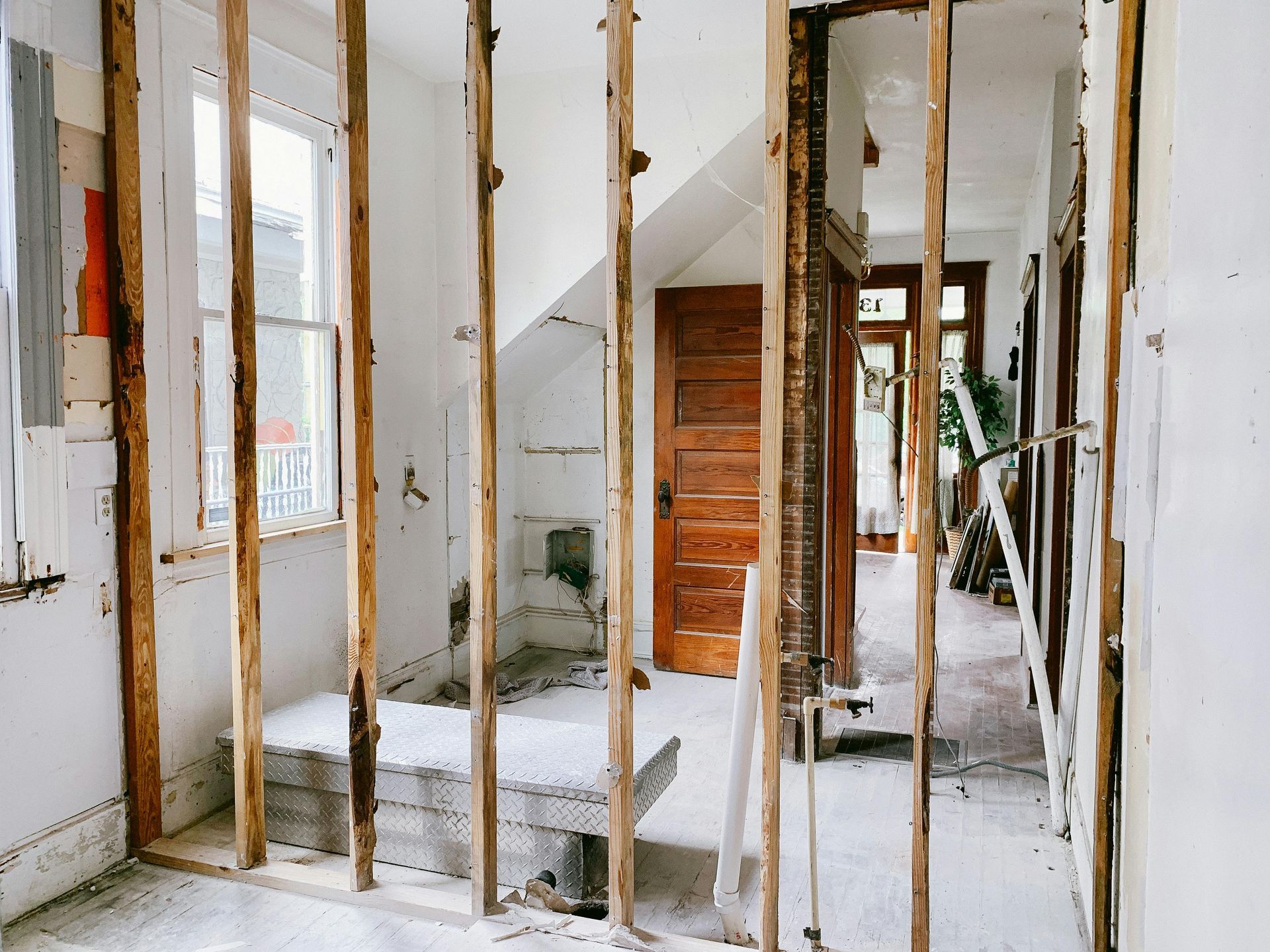
A room undergoing renovation with exposed wooden wall studs, white walls, and a wooden door visible in the background.
By Blog Owner April 21, 2026
April is the perfect time to start a home build or renovation in Vermont. Learn how early planning leads to smoother spring projects.
Deep, muddy tire tracks leading through a grassy field towards a line of bare trees under a bright blue sky.
By Blog Owner April 1, 2026
Mud season in Vermont can impact your home and property. Learn how to protect your driveway, foundation, and yard this spring.
Snowy residential street; houses, trees, and car visible under a clear, bright sky.
By Blog Owner March 30, 2026
Winter can take a toll on Vermont homes. Learn what to inspect and address in early spring to protect your home and plan repairs.
Blueprint with tools: drill, level, tape measure, screws, and wall anchors on wooden surface.
By Blog Owner March 12, 2026
Learn what to look for when choosing a home builder in Vermont, from experience and communication to craftsmanship and project management.
Architectural blueprints showing a kitchen with appliances, dining area, and other details.
By Blog Owner February 24, 2026
Tanguay Homes helps Northeast Kingdom homeowners plan smart additions and renovations built for Vermont’s climate.
Brick house in winter snow with dark roof, windows, and front steps.
By Blog Owner February 10, 2026
Cold weather can reveal hidden home issues. Learn which winter problems Vermont homeowners should address now before spring arrives.
By Blog Owner January 31, 2026
Noticing drafts or high heating bills this winter? A mid-winter home check can improve comfort and energy efficiency in Vermont homes.