Winter-Ready Vermont Homes Start in July
Plan Now for Winter Comfort
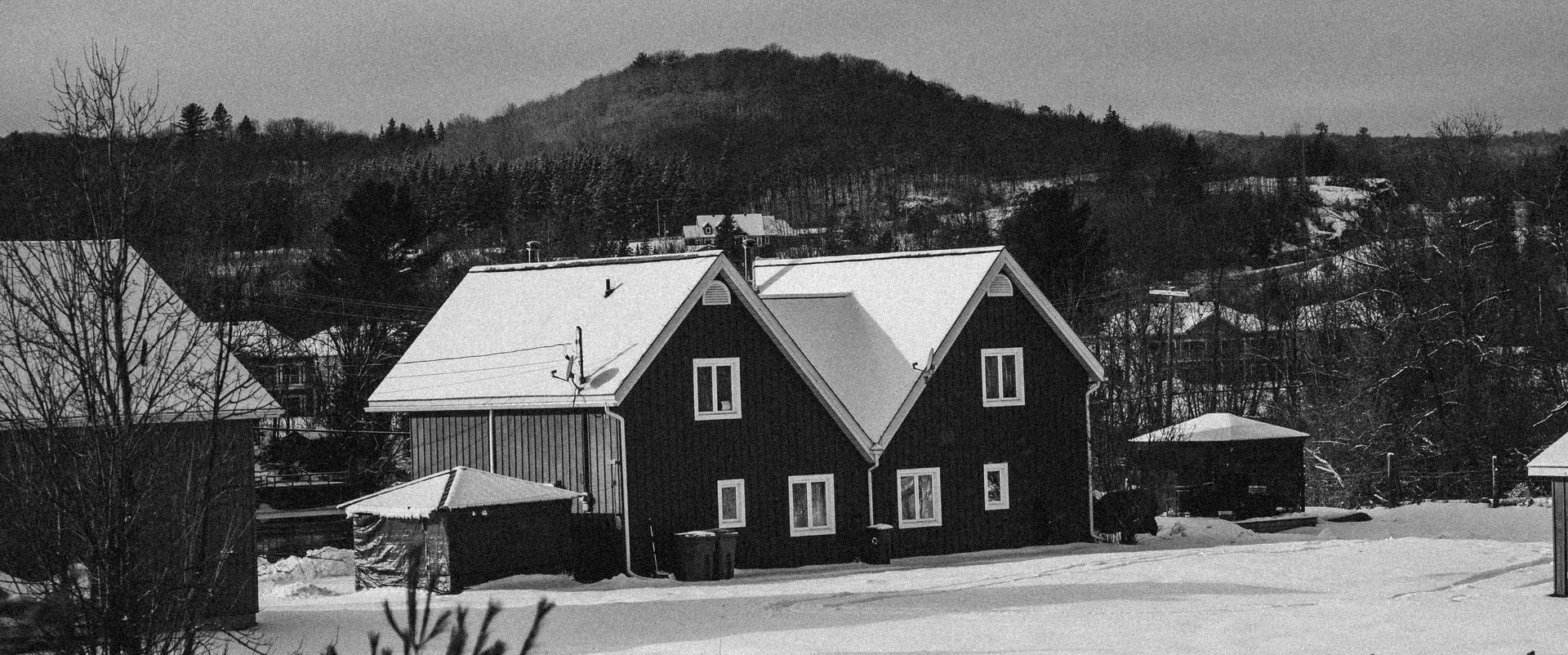
July may feel far away from winter, but in Vermont, the most comfortable cold-weather homes are planned long before the first frost. By the time temperatures drop, snow starts piling up, and heating systems are running every day, many of the most important home performance decisions have already been made.
That is why summer is such a smart time to think about winter comfort. Whether you are planning a new custom home, a renovation, an addition, or energy upgrades to your existing home, July gives you time to look at the big picture: insulation, air sealing, structural insulated panels, roofing, ventilation, and the overall building envelope.
Energy-efficient home construction is also becoming more important to homeowners and buyers. Zillow’s 2026 home trends report found a growing number of listing mentions for zero-energy-ready homes, whole-home batteries, EV charging, and sustainable or green features, indicating increased interest in homes that are efficient, resilient, and built with long-term performance in mind. NAHB has also highlighted that high-performance homes rely on more than solar panels; strong performance begins with a tightly sealed building envelope and energy-efficient materials.
For Vermont homeowners, this matters. A home built for Northern Vermont needs to withstand cold temperatures, snow loads, moisture, wind, freeze-thaw cycles, and long heating seasons. The right building choices can make a home feel warmer, quieter, more durable, and more efficient year after year.
Tanguay Homes has been serving Vermont’s Northeast Kingdom since 1992 and specializes in energy-efficient home construction in Newport, Vermont, with experience in custom homes, renovations, additions, porches, sunrooms, and decks. For homeowners thinking ahead to winter, that local experience can make a major difference.
Winter Comfort Starts in July
Winter comfort does not begin when the furnace turns on. It begins during planning.
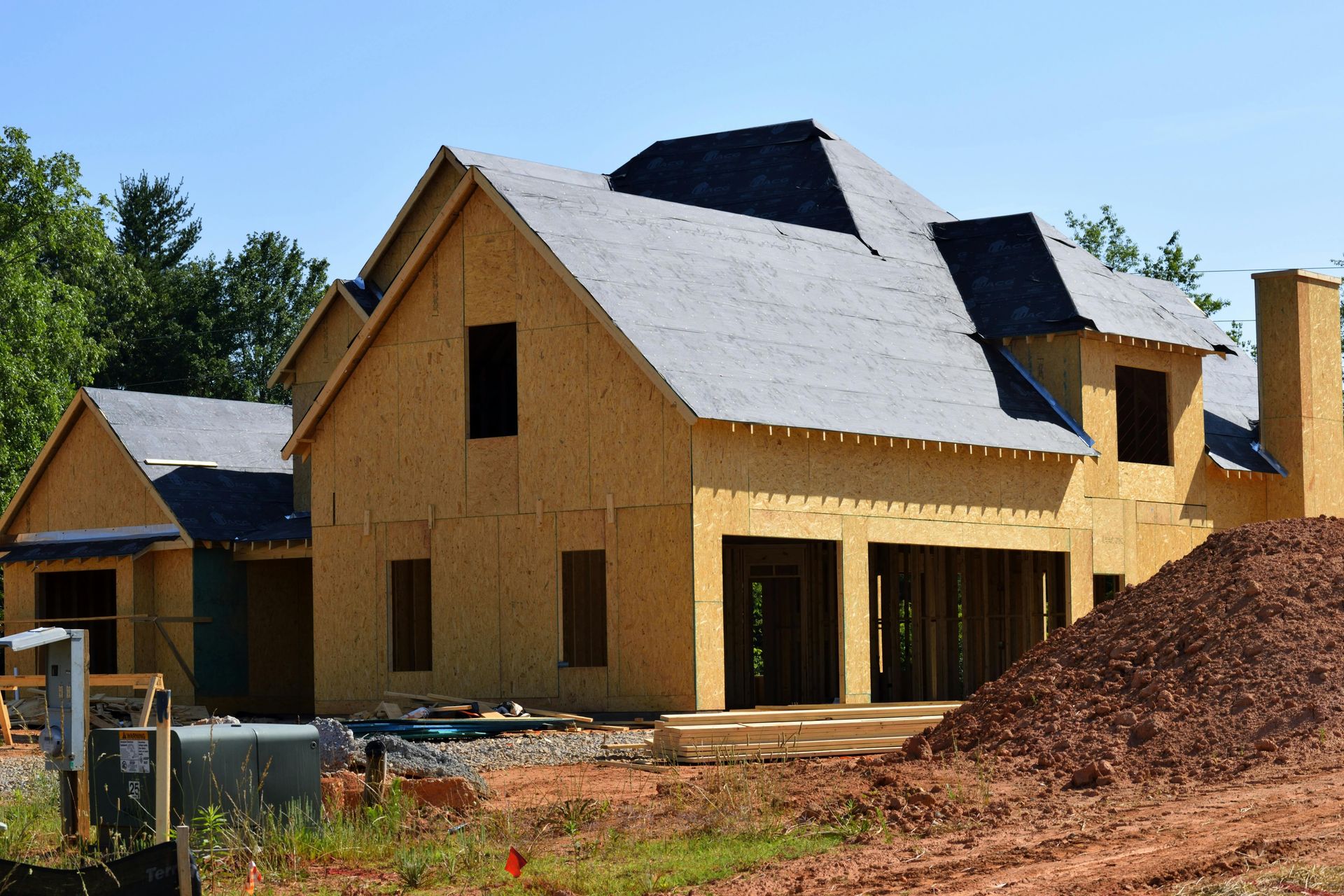
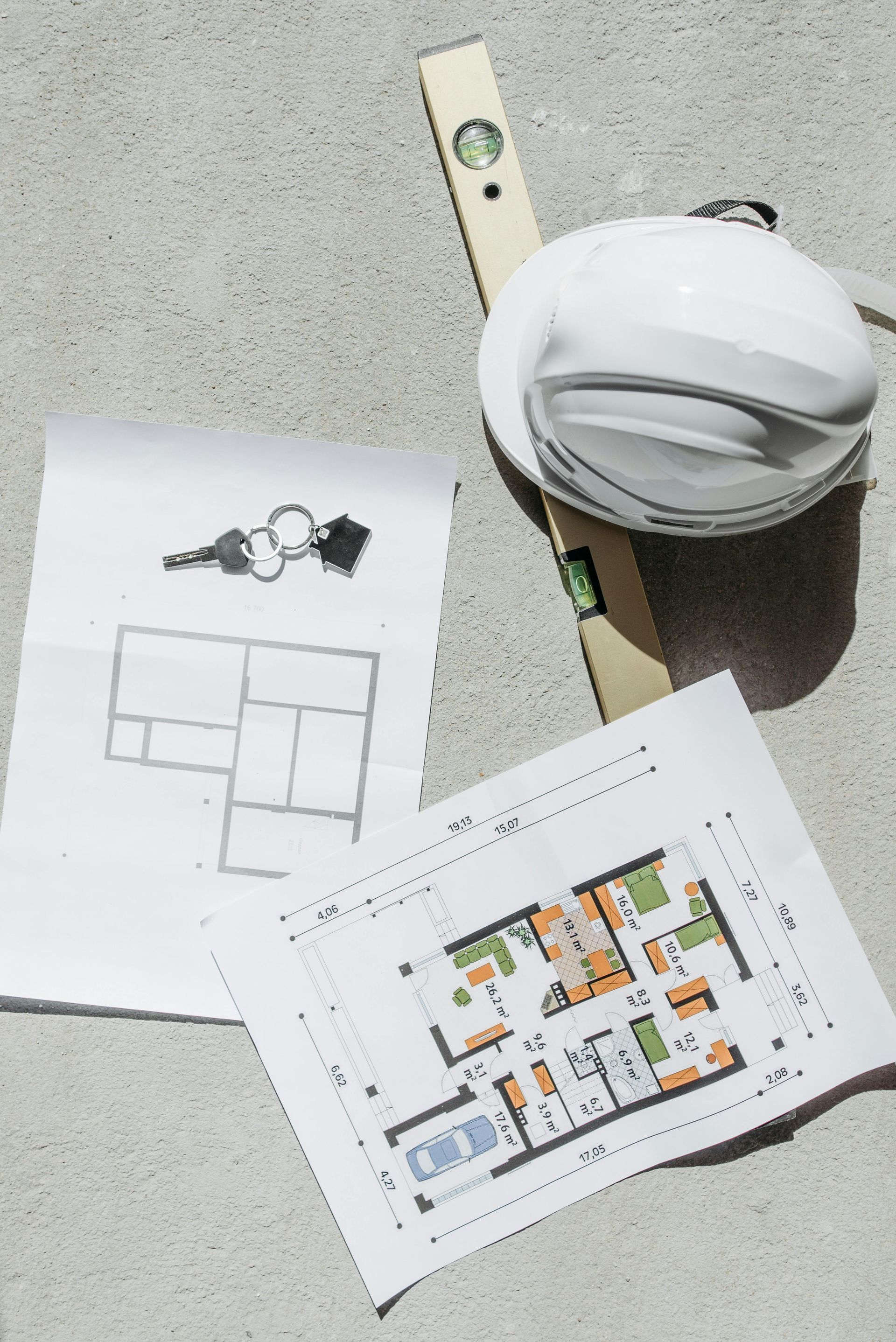
By July, homeowners still have time to meet with a builder, review their goals, evaluate materials, discuss energy standards, schedule work, and make decisions before fall weather arrives. Waiting until late autumn can limit options, especially for larger projects such as additions, roof work, insulation upgrades, or new construction.
Planning early also helps homeowners avoid rushed decisions. Insulation type, roof material, wall system, window placement, and air sealing details all affect comfort. These choices are easier to coordinate before work begins, not after walls are closed or roofing materials are installed.
For new homes and additions, the Department of Energy notes that adding insulation during construction is more cost-effective than retrofitting after a house is finished. The DOE also recommends utilizing insulation as part of a whole-house systems approach, considering how insulation interacts with air sealing, moisture control, climate, and other building components.
In other words, July is not too early to talk about winter. It may be the perfect time.
What the Building Envelope Means
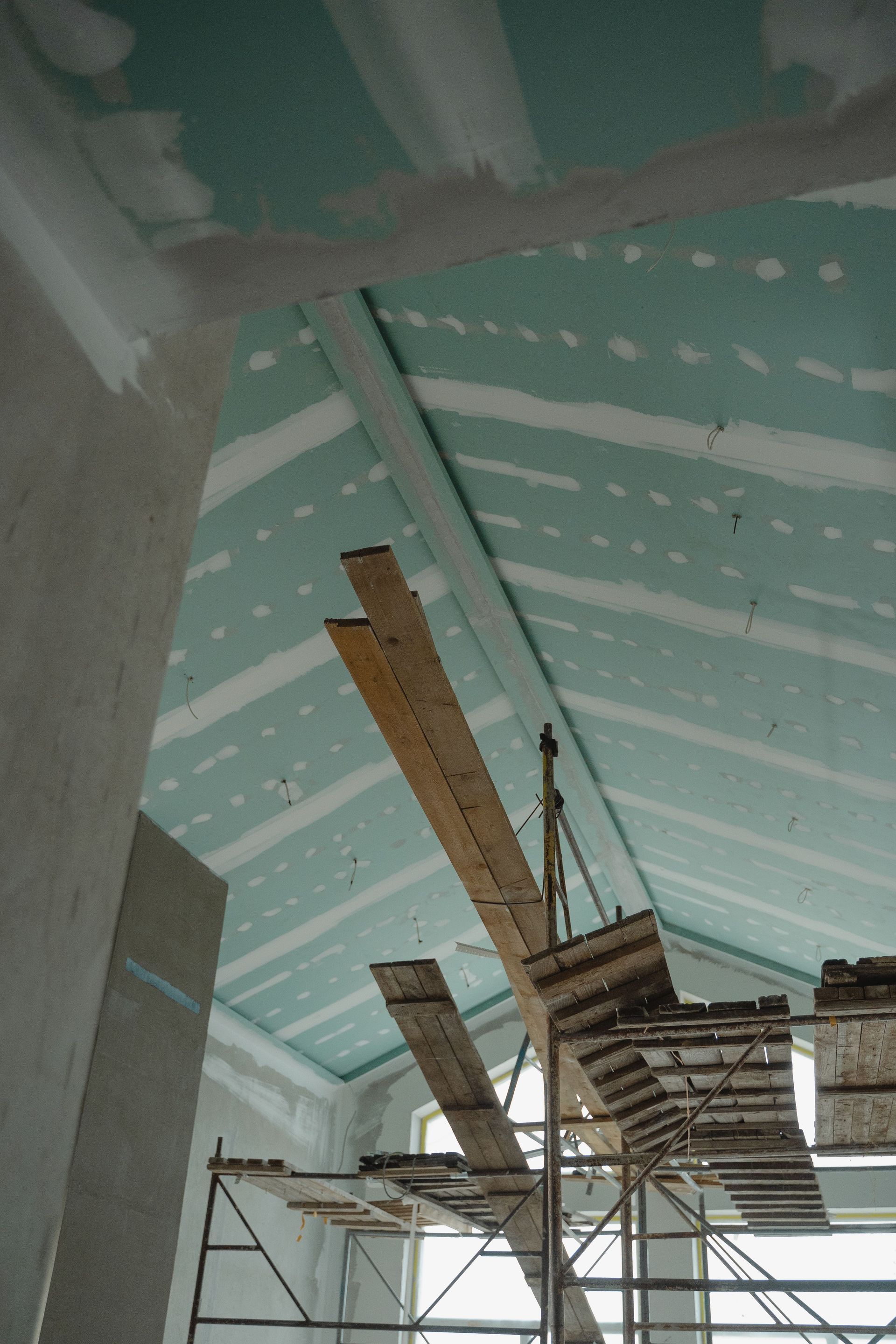
The “building envelope” is the shell of the home. It includes the roof, walls, insulation, windows, doors, foundation, air barriers, and other elements that separate the inside living space from the outdoors.
A simple way to think about it is like a winter coat. Insulation is the warm lining. Air sealing is the zipper. Windows and doors are the seams. Roofing is the outer layer that protects everything underneath. If one part is weak, the whole system can underperform.
ENERGY STAR explains that a complete thermal enclosure uses comprehensive air sealing, properly installed insulation, and high-performance windows together to improve comfort, durability, maintenance, and utility costs. That is especially important in Vermont, where small drafts, gaps, and weak spots can become very noticeable during winter.
A strong building envelope can help reduce drafts, create more consistent indoor temperatures, protect against moisture issues, and support better energy performance. It can also make the home feel more comfortable in every season, not just winter.
Cellulose Insulation: Comfort Where It Counts
Insulation is one of the most important choices in a winter-ready Vermont home. It helps slow heat transfer, supports consistent indoor temperatures, and can reduce the strain on heating systems.
Cellulose insulation is a strong option for many Vermont homes because it can settle into wall cavities and fit around wiring, pipes, and other irregular spaces. Tanguay Homes describes cellulose insulation as a green, efficient, non-toxic, affordable thermal solution and notes that tightly packed cellulose can help create a more comfortable, thermally efficient home.
One of the key advantages of cellulose is its ability to fill space. Gaps, voids, and compressed insulation can reduce performance. ENERGY STAR emphasizes that proper insulation installation is about more than the amount of insulation; careful placement, complete air barriers, and minimizing heat flow through framing all help create more consistent temperatures and better comfort.
For homeowners renovating an older Vermont home, cellulose may also be worth discussing because many older homes were built before today’s energy standards. Drafty walls, under-insulated attics, and inconsistent room temperatures can often point to building envelope issues.
The right insulation approach depends on the home, the project scope, the budget, and the existing structure. That is why it helps to work with a builder who understands Vermont construction and can look at the whole home rather than a single isolated material.
SIPs: A Stronger, Tighter Wall System
Structural insulated panels, often called SIPs, are another option for homeowners who want to prioritize comfort and performance in a new home, addition, or certain specialty projects.
Tanguay Homes explains that SIPs are made with a lightweight EPS foam core glued between two sheets of oriented strand board. The panels create a system with high load-bearing capabilities, insulation, and an uninterrupted wall surface in a single assembly.
That uninterrupted insulation is one reason SIPs can be valuable in cold climates. Traditional framed walls have studs, cavities, and joints that can create opportunities for thermal bridging, which is heat movement through framing materials. SIPs can help create a more continuous insulated layer when installed correctly.
The Department of Energy also identifies structural insulated panels as products that provide both insulation and structural support, making them a relevant option to consider when planning new home construction.
For Vermont homeowners, SIPs can be especially appealing for projects where strength, insulation, and construction efficiency matter. Tanguay Homes notes that SIPs can be used for residential dwellings, timber frame structures, commercial buildings, steel frames, and agricultural systems.
Like any building material, SIPs need to be properly planned and installed. The best results come from thoughtful design, careful coordination, and a clear understanding of how panels connect with the roof, foundation, windows, doors, and mechanical systems.
Standing Seam Roofing: Protection from the Top Down
A winter-ready home is not only about walls and insulation. The roof plays a major role in protecting the home from snow, ice, rain, wind, and moisture.
In Vermont, roof durability matters. Snow accumulation, ice, freeze-thaw cycles, and heavy precipitation can put stress on roofing materials over time. A roof that is well-matched to the home and properly installed can help protect the building envelope below it.
Standing seam metal roofing is a strong choice for many Vermont homes because it is durable, precise, and designed with continuous panels that can help reduce potential weak spots. Tanguay Homes notes that standing seam metal roofing can last more than 40 years, withstand different weather conditions, and help avoid potential leak entry points due to its continuous panel design.
Tanguay Homes also offers Everloc standing seam roofing, described as a high-strength 24-gauge steel panel with a galvalume coating for corrosion resistance.
For homeowners planning a new build or roof replacement, July is a good time to have the conversation. Roofing schedules can fill quickly, and roof work is easier to plan before colder, wetter, and shorter days arrive.
Vermont Energy Standards: What Homeowners Should Know
Energy-efficient construction is not only a comfort issue. In Vermont, residential projects may also need to meet energy code requirements.
The Vermont Residential Building Energy Standards, often called RBES, are the state’s minimum standard for energy-efficient residential construction practices. Efficiency Vermont explains that RBES applies to all new residential construction, additions, and most renovations, alterations, and repairs in residential buildings.
Efficiency Vermont also notes that basic requirements include ventilation and combustion safety, air leakage, insulation, windows, lighting, and HVAC equipment, with multiple compliance paths available depending on the project.
Because energy standards and compliance options can change, homeowners should review current requirements early in the planning process. According to current source materials, the 2024 Vermont RBES went into effect July 1, 2024, and a September 2025 executive order gave projects the option of complying with the 2020 RBES. Homeowners and builders should confirm the current pathway with local officials or the Energy Code Assistance Center before finalizing plans.
This is another reason July planning is helpful. Code requirements can affect design, insulation levels, windows, ventilation, and project documentation. Addressing these details early can help avoid delays later.
Build for the Vermont Home You Want in January
The best time to improve winter comfort is before winter arrives. Once cold weather sets in, homeowners often notice drafts, uneven temperatures, ice concerns, moisture issues, or high heating bills. But by then, some improvements may be harder to schedule or more disruptive to complete.
Planning in July gives you a head start. It allows you to ask the right questions:
- Does the home have enough insulation?
- Are there areas where air leakage may be affecting comfort?
- Would cellulose insulation make sense for this project?
- Could SIPs improve the design of a new build or addition?
- Is the roof ready for another Vermont winter?
- Do the plans meet current energy standards?
- Is the home being designed as a complete system?
Those questions can lead to better decisions, better budgeting, and a more comfortable home when winter arrives.
Talk with Tanguay Homes Before Fall
Whether you are building new, planning an addition, renovating an older home, or considering roofing and insulation upgrades, Tanguay Homes can help you plan a more comfortable, efficient home built for Vermont’s climate.
From cellulose insulation and structural insulated panels to standing seam roofing and custom home construction, the right choices can shape how your home feels not just this winter, but for many winters to come.
If you are ready to start planning a winter-ready Vermont home, contact Tanguay Homes today to discuss energy-efficient building options before fall schedules fill up.
Frequently Asked Questions
Why should Vermont homeowners think about winter comfort in July?
July gives homeowners time to plan before colder weather arrives. It is a good time to discuss insulation, roofing, air sealing, additions, renovations, and new construction with a builder before fall schedules become limited.
What is a building envelope?
A building envelope is the shell of the home, including the roof, walls, insulation, windows, doors, foundation, and air sealing. A strong building envelope helps separate conditioned indoor space from outdoor weather.
Is cellulose insulation a good choice for Vermont homes?
Cellulose insulation can be a good choice for many Vermont homes because it helps fill wall cavities and can support thermal comfort when properly installed. The best insulation choice depends on the structure, project goals, and installation conditions.
What are structural insulated panels?
Structural insulated panels, or SIPs, are building panels made with an insulated foam core between structural boards. They can provide insulation and structural support in one system and may be used in residential, commercial, timber frame, and other building applications.
Why is standing seam roofing popular in Vermont?
Standing seam roofing is popular in Vermont because it is durable, weather-resistant, and designed with continuous panels that can help reduce leak-prone weak spots. It is often considered for homes that need long-term protection from snow, ice, rain, and moisture.
Do Vermont additions and renovations need to follow energy standards?
Many Vermont residential projects, including new construction, additions, and most renovations and repairs, may need to comply with the Vermont Residential Building Energy Standards. Homeowners should confirm current requirements early in the planning process.