What Vermont Homeowners Should Know Before Planning a Major Renovation

Start With What You Want to Change
A successful renovation starts with more than choosing finishes. Before making plans, think about what isn't working in your current home and what you want the renovation to accomplish.
Do you need more living space?
Better storage?
A more functional kitchen?
Improved energy efficiency?
Or are you trying to make an older home better suited to the way your family lives today?
Identifying those priorities early can help keep the project focused.
Think Beyond the Immediate Need
A renovation is also an opportunity to think about how you'll use your home five, ten, or even twenty years from now.
A first-floor bedroom, wider doorways, additional storage, a larger mudroom, or a more flexible floor plan may not seem essential today but could make the home much more functional later.
Understand What's Behind the Walls
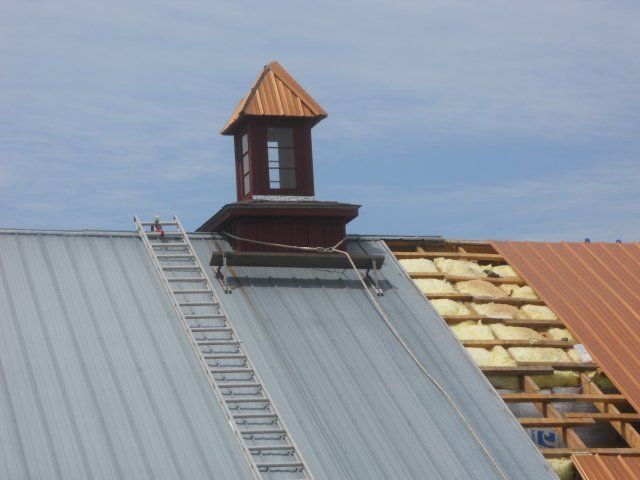
Renovating an existing Vermont home can sometimes uncover surprises. Older wiring, plumbing, insulation, framing, or previous renovations may affect the scope of the project.
Building some flexibility into your plans and budget can make it easier to handle unexpected conditions without losing sight of the overall goal.
Don't Forget Energy Efficiency
When walls, ceilings, or other areas are already being opened during a renovation, it may be a good opportunity to evaluate insulation, air sealing, windows, or other energy-efficiency improvements.
In Vermont's climate, these improvements can make a noticeable difference in year-round comfort.
Bring Everything Together
The best renovations aren't simply about making a space look newer. They improve how the home functions while respecting the existing structure and planning for the future.
Tanguay Homes has experience with renovations, additions, custom construction, and energy-efficient building throughout Northern Vermont. Thoughtful planning at the beginning can help turn an existing home into a space that works better for years to come.
How much does a home renovation cost in Vermont?
The cost of a home renovation in Vermont varies widely depending on the size of the project, materials, existing conditions, and the amount of structural, electrical, plumbing, or mechanical work involved. A smaller renovation may be relatively straightforward, while a whole-home remodel or major addition can be a significant investment. The best way to establish a realistic budget is to clearly define the project scope and discuss it with an experienced Vermont contractor.
Do I need a permit to renovate my home in Vermont?
It depends on the project and where your property is located. Renovations may involve local zoning or building requirements as well as state permits depending on the scope and property. Vermont's Agency of Natural Resources provides a Permit Navigator to help property owners determine which environmental permits may apply.
How long does a home renovation take?
Renovation timelines depend on the size and complexity of the project. Design decisions, permitting, material availability, subcontractor scheduling, and unexpected conditions in an existing home can all affect the schedule. Starting the planning process early gives you more time to work through these details before construction begins.
What should I do before starting a major home renovation?
Start by identifying what isn't working in your current home and what you want the renovation to accomplish. Then consider your budget, priorities, desired timeline, future needs, and any improvements that could make the home more comfortable or energy-efficient. A clear plan makes it easier to determine the appropriate scope of work.
Should I make energy-efficiency upgrades while renovating my Vermont home?
A major renovation can be an excellent opportunity to improve energy efficiency, particularly when walls, ceilings, windows, or mechanical systems are already being changed. Insulation, air sealing, efficient windows, and other improvements may make the home more comfortable and reduce energy use. Vermont's residential energy standards apply to many additions, alterations, renovations, and repairs.