Designing a Vermont Mudroom That Actually Works
More Than a Place to Take Off Your Boots
In Vermont, a mudroom has a big job.
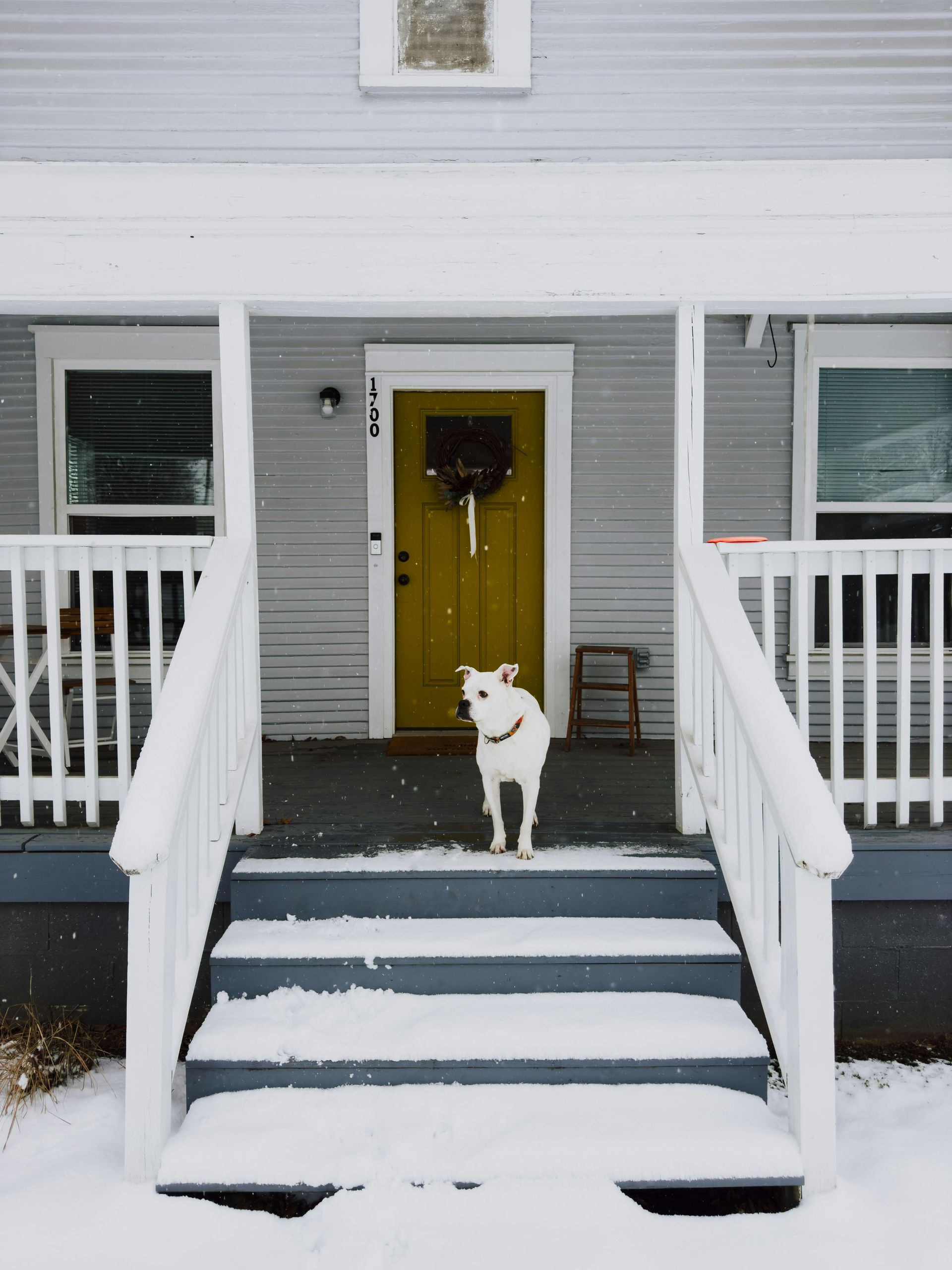
Throughout the year, it may need to handle muddy boots, wet jackets, backpacks, dog leashes, work clothes, snow gear, sports equipment, and everything else that comes through the door.
A well-designed mudroom keeps all of that from spreading into the rest of your home.
Give Everything a Place
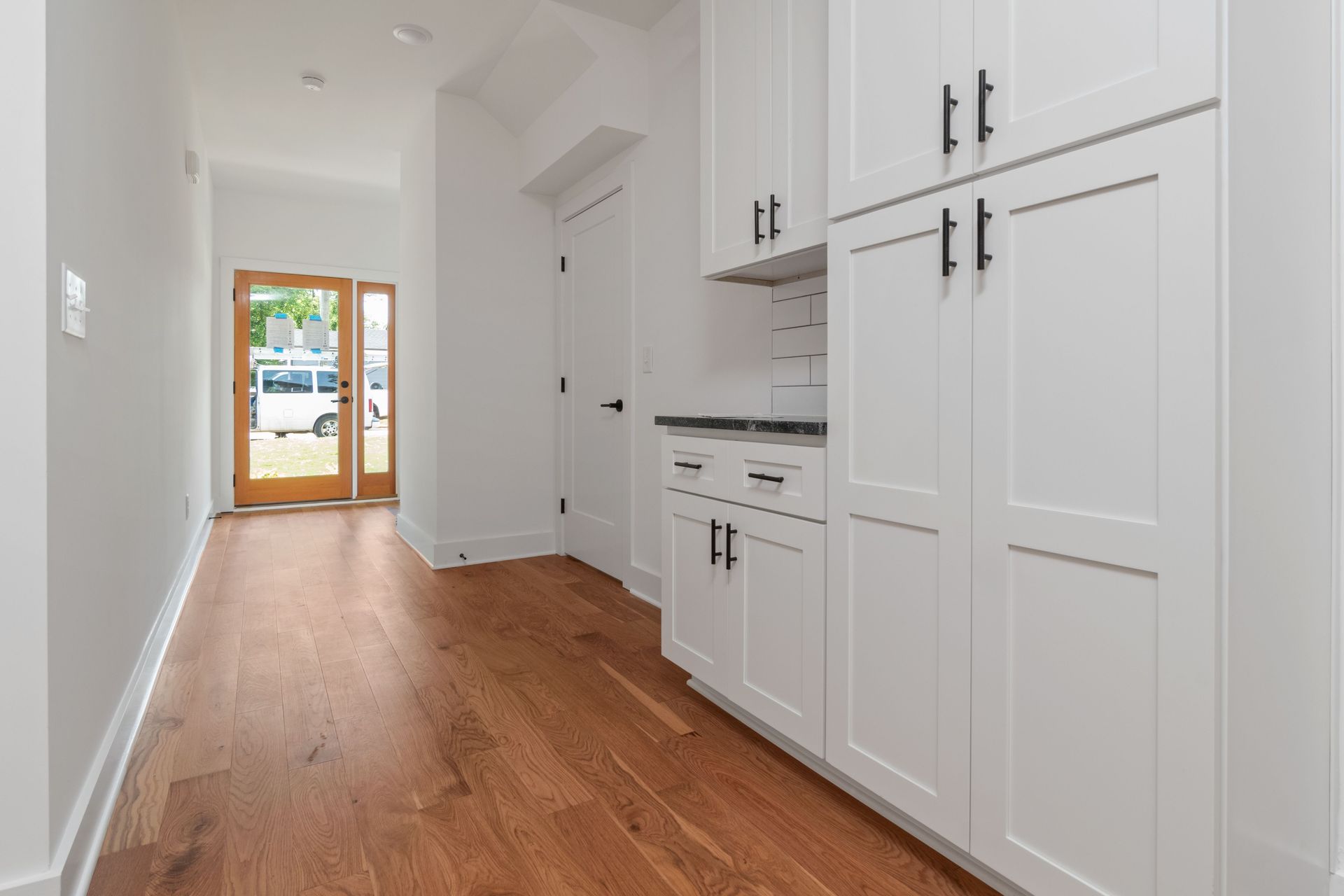
Good storage is one of the most important parts of mudroom design. Hooks at different heights, cubbies, closed cabinets, shelves, and dedicated shoe storage can make a relatively small space much more useful.
If you have pets, consider including a spot for leashes, towels, food, or other supplies. Families may also want individual cubbies so everyone has their own space.
Choose Materials for Real Vermont Life
A mudroom isn't the place for finishes that need to be treated delicately.
Durable, easy-to-clean flooring is especially important when you're dealing with snow, salt, sand, and mud. Wall finishes, cabinetry, and storage should also be able to stand up to daily use.
Don't Forget a Place to Sit
A bench may seem like a small detail, but it's incredibly useful when you're pulling on winter boots or helping kids get ready to head outside.
Combining a bench with storage underneath can make even better use of the space.
Think About the Location
Whenever possible, the mudroom should connect naturally with the entrance your household actually uses.
For many Vermont homes, that's the door leading to the driveway or garage—not necessarily the formal front entrance. Locating storage where it's needed helps the entire home stay more organized.
Small Space, Big Difference
You don't necessarily need a huge mudroom to make it functional. Thoughtful storage, durable materials, and a layout designed around your household can transform even a modest entryway.
When designing a new home or planning a renovation, thinking carefully about these everyday spaces can make just as much difference as the larger rooms.
What should a Vermont mudroom include?
A functional Vermont mudroom should have space for wet boots, coats, hats, gloves, bags, and seasonal outdoor gear. A bench, hooks, cubbies, shoe or boot storage, durable flooring, and closed storage can help keep the space organized. The best design depends on your household and how you use the space every day.
What is the best flooring for a mudroom in Vermont?
Mudroom flooring should be durable, moisture resistant, and easy to clean. Tile and other water-resistant surfaces are popular choices because they can handle wet boots, snow, mud, sand, and road salt. Whatever material you choose should be able to withstand the heavy seasonal use typical of a Vermont entryway.
How much space do you need for a mudroom?
You don't necessarily need a large room to create a useful mudroom. Even a small entryway can become more functional with a bench, hooks, boot storage, and well-planned shelving or cabinetry. If you're building a new home or addition, the space can be designed around the number of people in your household and the gear you regularly need to store.
Can you add a mudroom to an existing home?
Yes. Depending on your home's layout, a mudroom can sometimes be created by remodeling an existing entryway, connecting space near a garage, reworking part of the floor plan, or constructing a small addition. The best option depends on the existing home, available space, and how you want the new area to function.
What storage should I include in a mudroom?
Useful mudroom storage can include hooks for coats, cubbies for individual family members, boot and shoe storage, drawers, upper cabinets, shelves, and a bench with storage underneath. Vermont homeowners may also want dedicated space for winter gear, sports equipment, backpacks, pet supplies, and other items that regularly come through the door.