
A Guide to 5 Top Decking Material Options
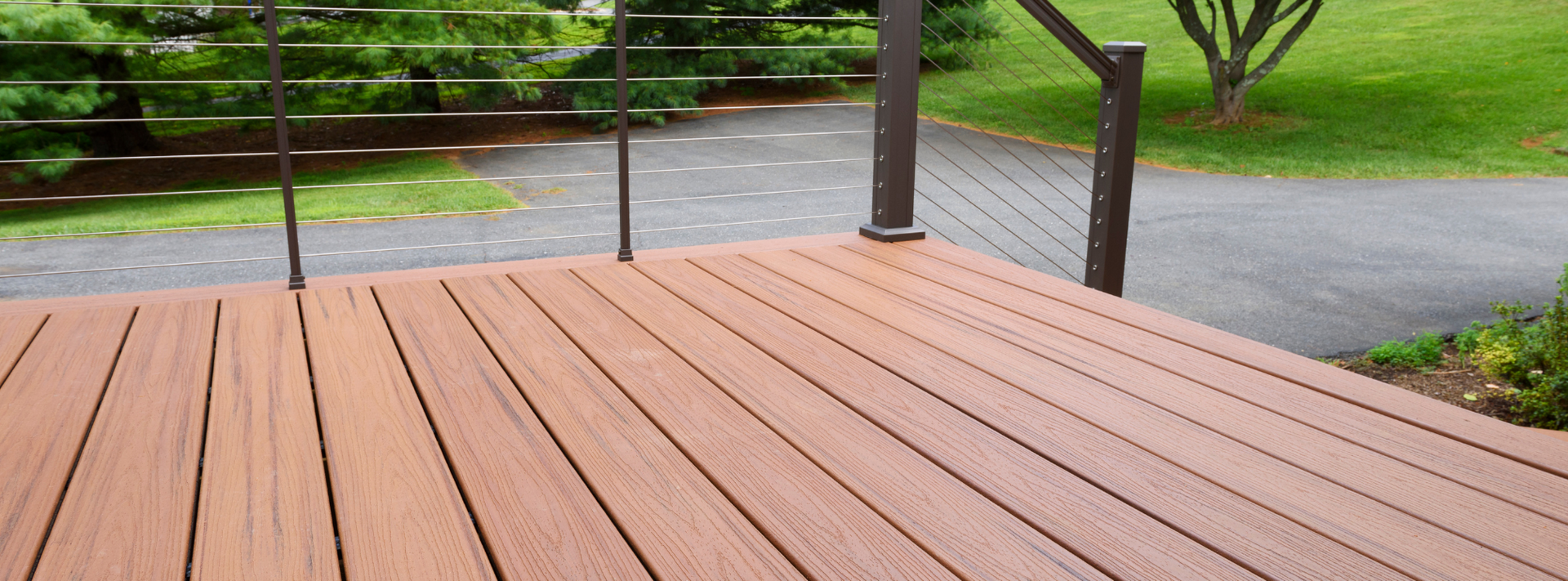
Which Decking Material is Right for You?
From Composite to Aluminum, Choose the Right Deck for Your Space
Adding a deck to your home is a fantastic way to enhance your outdoor living space, perfect for entertaining, relaxing, or enjoying the great outdoors. However, choosing the right decking material can be overwhelming due to the variety of options available. Join us as we explore five popular decking materials, along with their pros and cons, to help you make an informed decision.
Pressure-Treated Wood
Pros:
- Upfront Affordability: Pressure-treated wood is one of the most cost-effective decking materials on the market, making it a popular choice for budget-conscious homeowners.
- Availability: This type of wood is widely available at most home improvement stores.
- Durability: It’s treated with chemicals to resist rot, decay, and insect damage, extending its lifespan compared to untreated wood.
Cons:
- Maintenance: Pressure-treated wood requires regular maintenance, including staining and sealing, to prevent warping, cracking, and splintering.
- Chemical Concerns: The chemicals used in the treatment process can be harmful, necessitating safety precautions during installation and maintenance.
Composite Decking
Pros:
- Low Maintenance: Composite decking is made from a mixture of wood fibers and plastic, requiring minimal upkeep compared to natural wood. It doesn’t need staining or sealing.
- Durability: It’s resistant to rot, warping, and insect damage, ensuring a longer lifespan.
- Eco-Friendly: Many composite decking products are made from recycled materials, making them an environmentally friendly option.
Cons:
- Cost: Composite decking is more expensive upfront compared to pressure-treated wood.
- Appearance: Some homeowners feel that composite decking doesn’t have the same natural look and feel as real wood, although newer products are improving in this area.
Cedar Wood
Pros:
- Aesthetic Appeal: Cedar is known for its beautiful, natural appearance and rich color that can enhance the look of any outdoor space.
- Natural Resistance: Cedar contains natural oils that make it resistant to rot, decay, and insect damage.
- Workability: It’s relatively easy to work with, making installation simpler for DIY projects.
Cons:
- Cost: Cedar is more expensive than pressure-treated wood but generally less expensive than composite options.
- Maintenance: While it requires less maintenance than pressure-treated wood, cedar still needs regular sealing and staining to maintain its appearance and durability.
PVC Decking
Pros:
- Durability: PVC decking is made entirely of plastic, making it highly resistant to rot, mold, and insect damage.
- Low Maintenance: It requires minimal upkeep, only needing occasional cleaning with soap and water.
- Color Options: PVC decking comes in a wide variety of colors and styles, allowing for customization to match your home’s aesthetic.
Cons:
- Cost: PVC decking is one of the more expensive options available.
- Heat Retention: It can get very hot in direct sunlight, which may be uncomfortable for walking barefoot in the summer.
Aluminum Decking
Pros:
- Longevity: Aluminum decking is incredibly durable and can last for decades without showing signs of wear and tear.
- Low Maintenance: It’s resistant to rust, rot, and insect damage, requiring very little maintenance.
- Fire Resistance: Aluminum is non-combustible, making it a safe choice for areas prone to wildfires.
Cons:
- Cost: Aluminum decking is typically the most expensive option on the market.
- Aesthetics: Some homeowners may not prefer the industrial look of aluminum, although it can be coated to improve its appearance.
Choosing the right decking material for your outdoor space is a decision that involves weighing various factors such as budget, maintenance requirements, and desired aesthetics. By carefully considering these aspects and understanding the pros and cons of each option, you can make an informed choice that not only enhances your home's exterior but also provides a durable and enjoyable outdoor living area for relaxation, entertaining, and creating lasting memories with family and friends.

Learn what affects the cost of building a house in Vermont, from site preparation and utilities to design, materials, and energy efficiency.

Learn how aging-in-place design can create a safe, comfortable, and adaptable Vermont home that supports every stage of life.
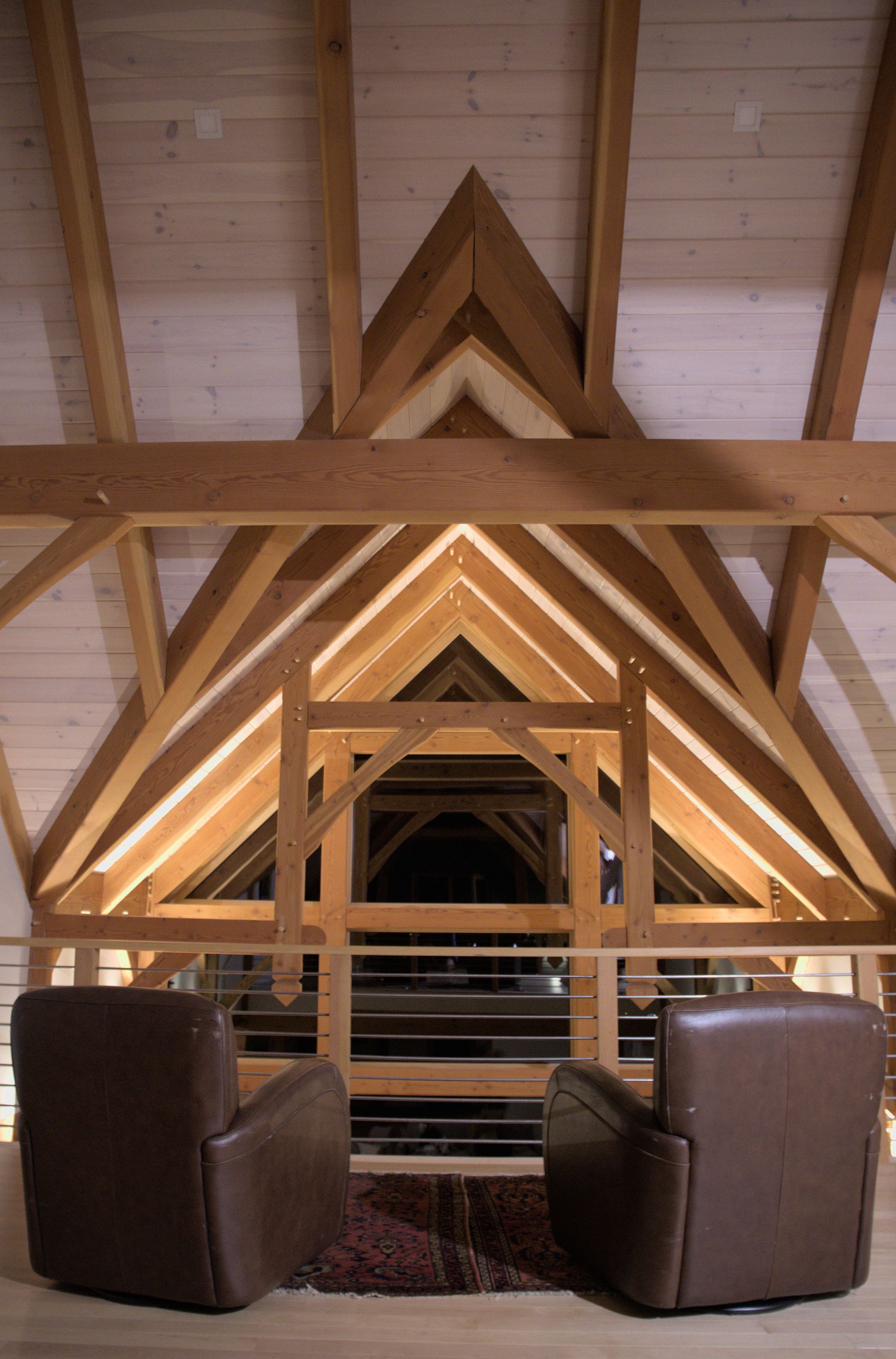
Explore why post-and-beam homes are a timeless fit for Vermont living, blending exposed timber, open design, craftsmanship, and year-round comfort.
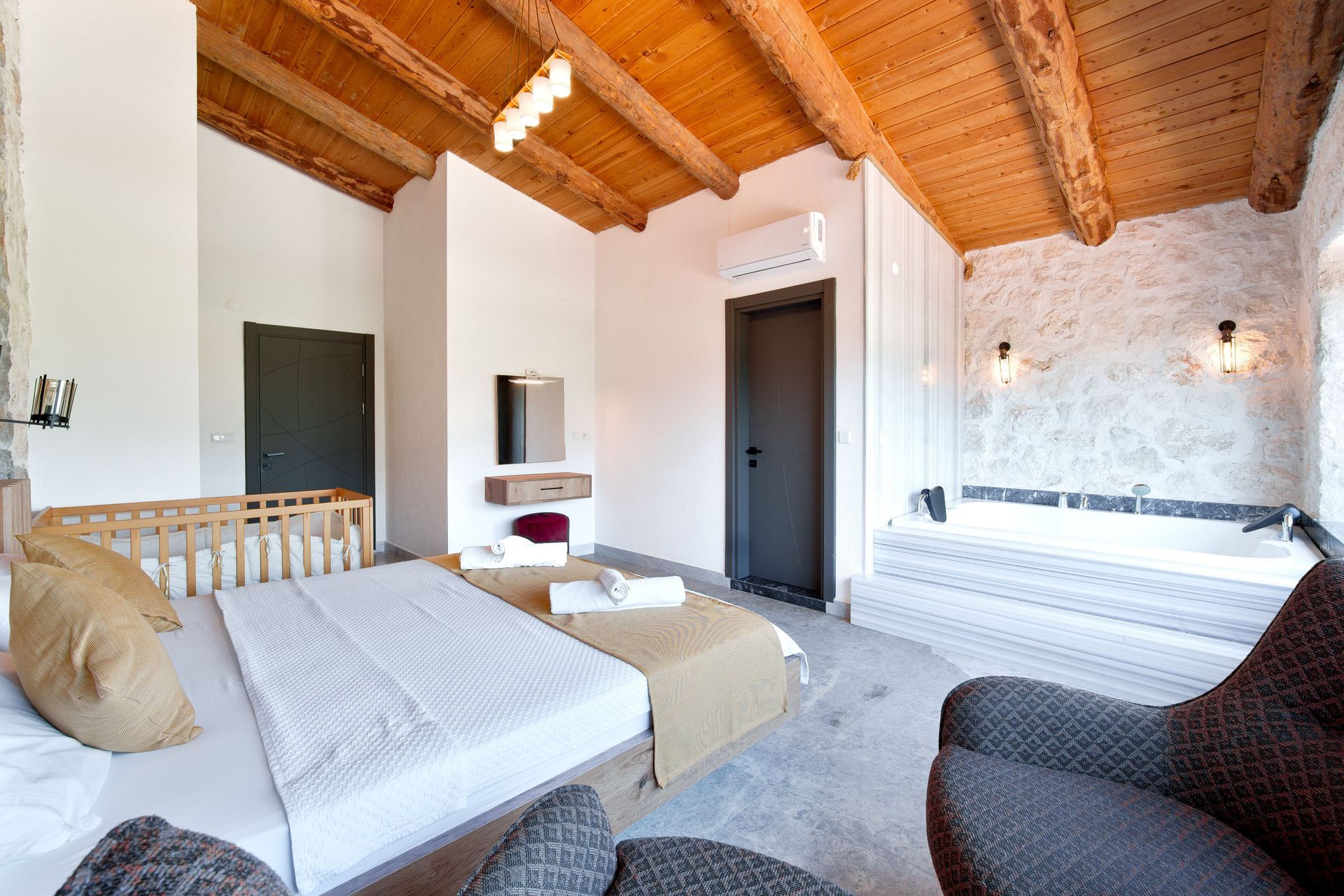
Planning an ADU, in-law apartment, or guest suite in Vermont? Learn how to design a flexible living space for family, guests, aging in place, or rental use.
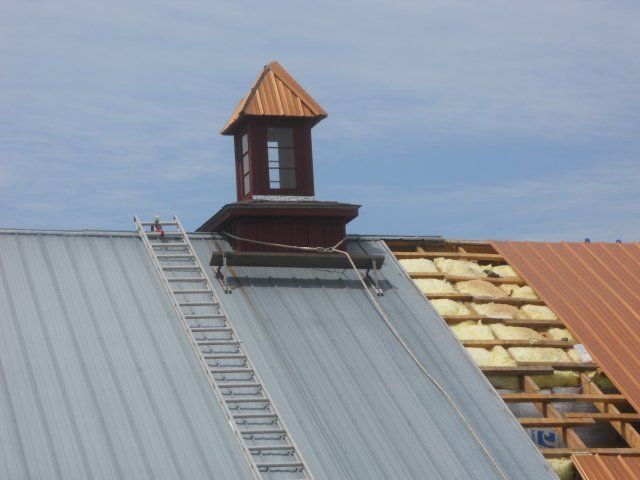
Plan a winter-ready Vermont home with smart insulation, SIPs, and standing seam roofing choices that improve comfort, efficiency, and durability.
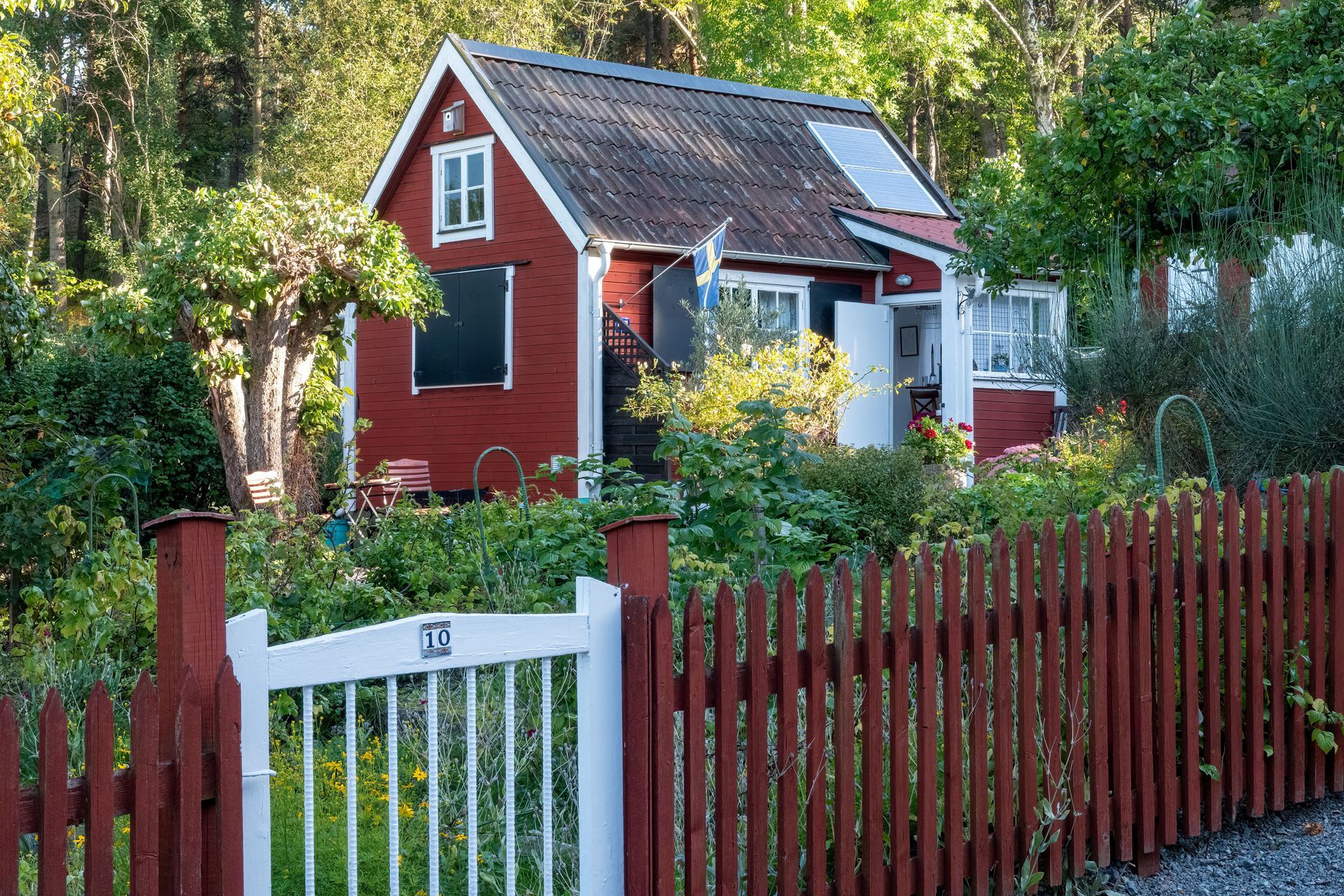
Planning a custom home in Vermont? Learn smart design choices that make every square foot more functional, comfortable, and efficient for everyday living.
Discover the top summer home design trends in Vermont for 2026, from energy-efficient features to indoor-outdoor living and Vermont-inspired materials.
Thinking about building a home in Vermont? Discover why summer is the ideal time to start construction, from stable ground conditions to faster build timelines.

Explore deck and porch ideas built for Vermont summers. Learn how to design durable, comfortable outdoor living spaces for your home.
Discover the benefits of working with a local Vermont builder, from climate expertise to trusted relationships and smoother project planning.