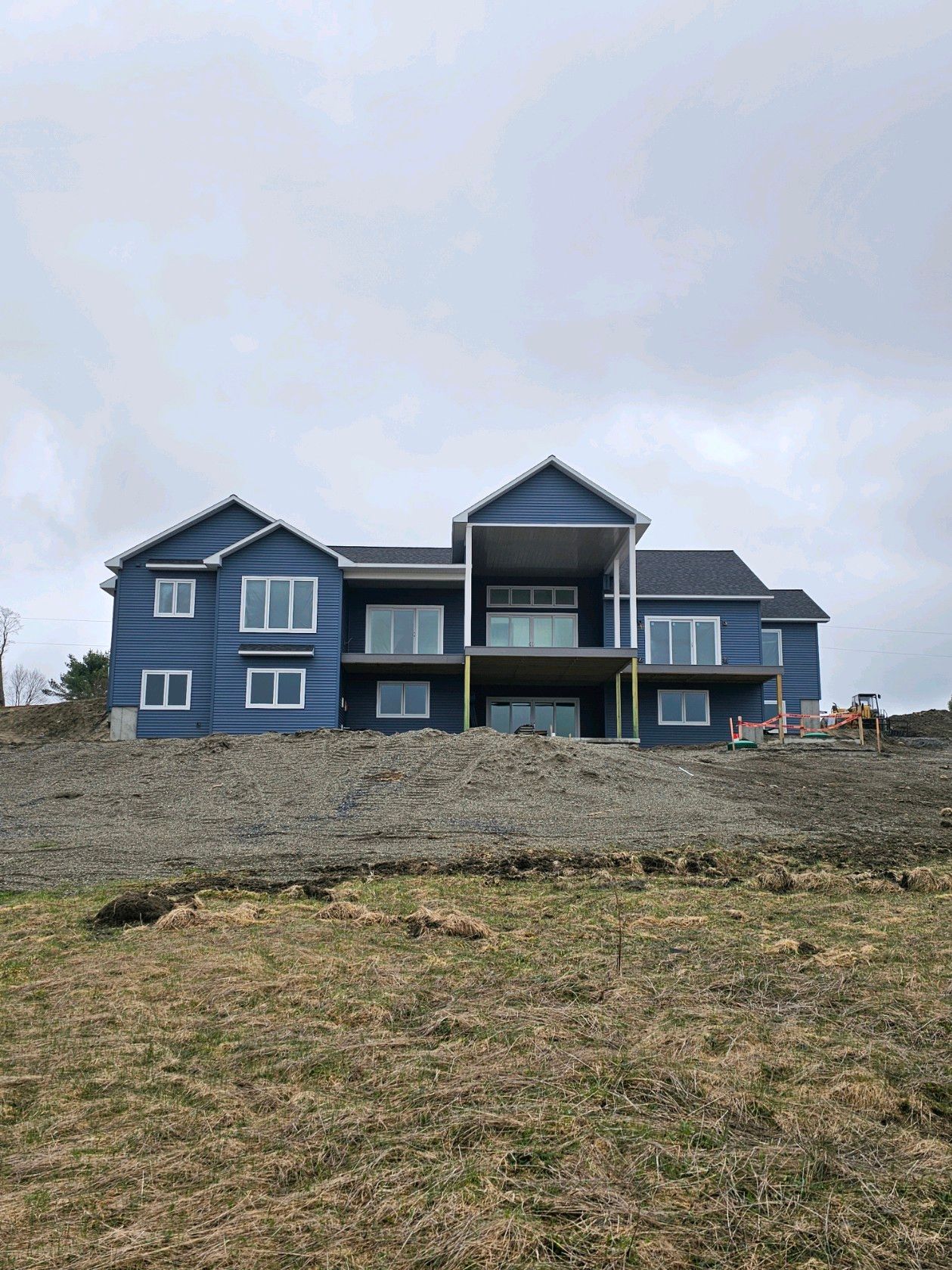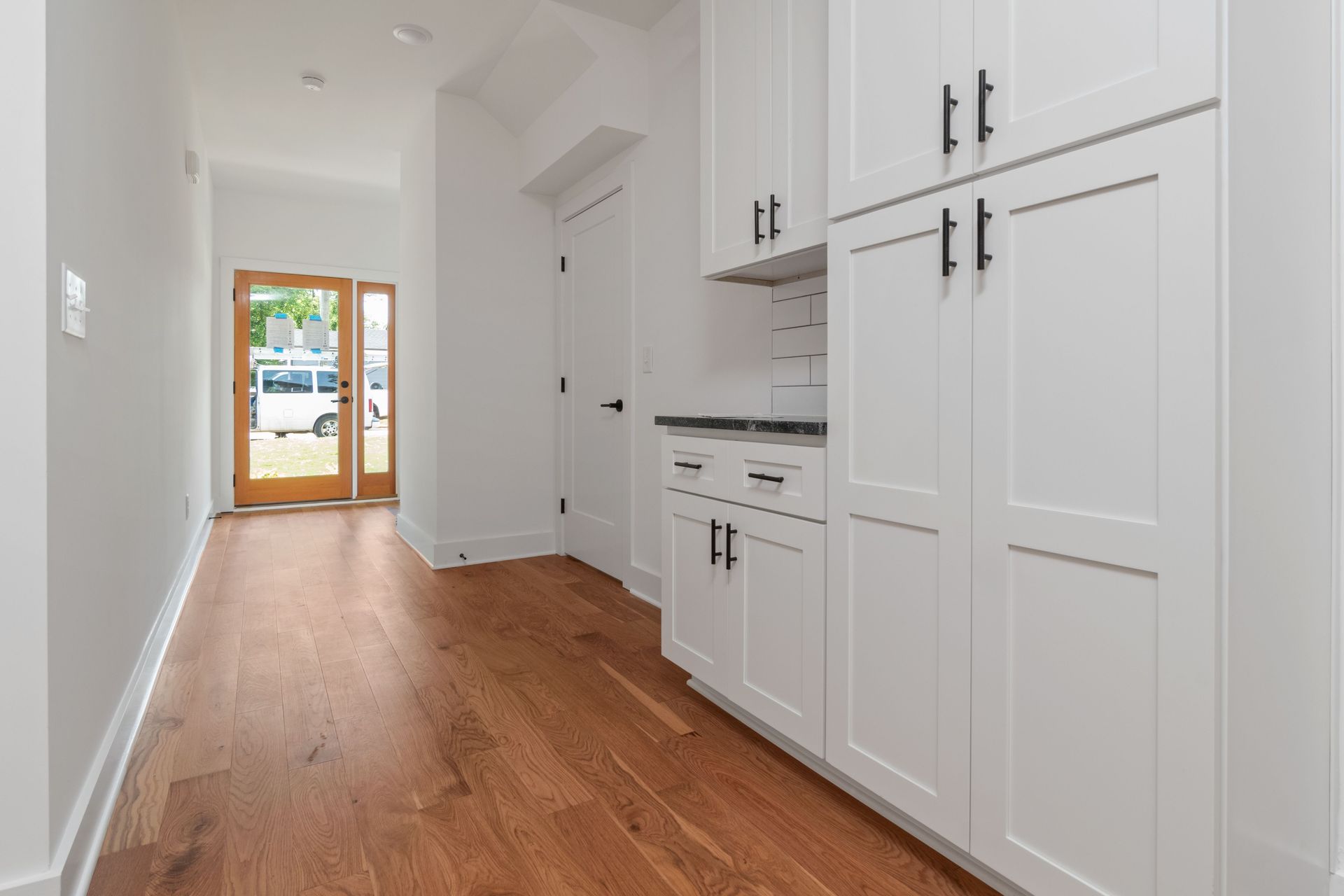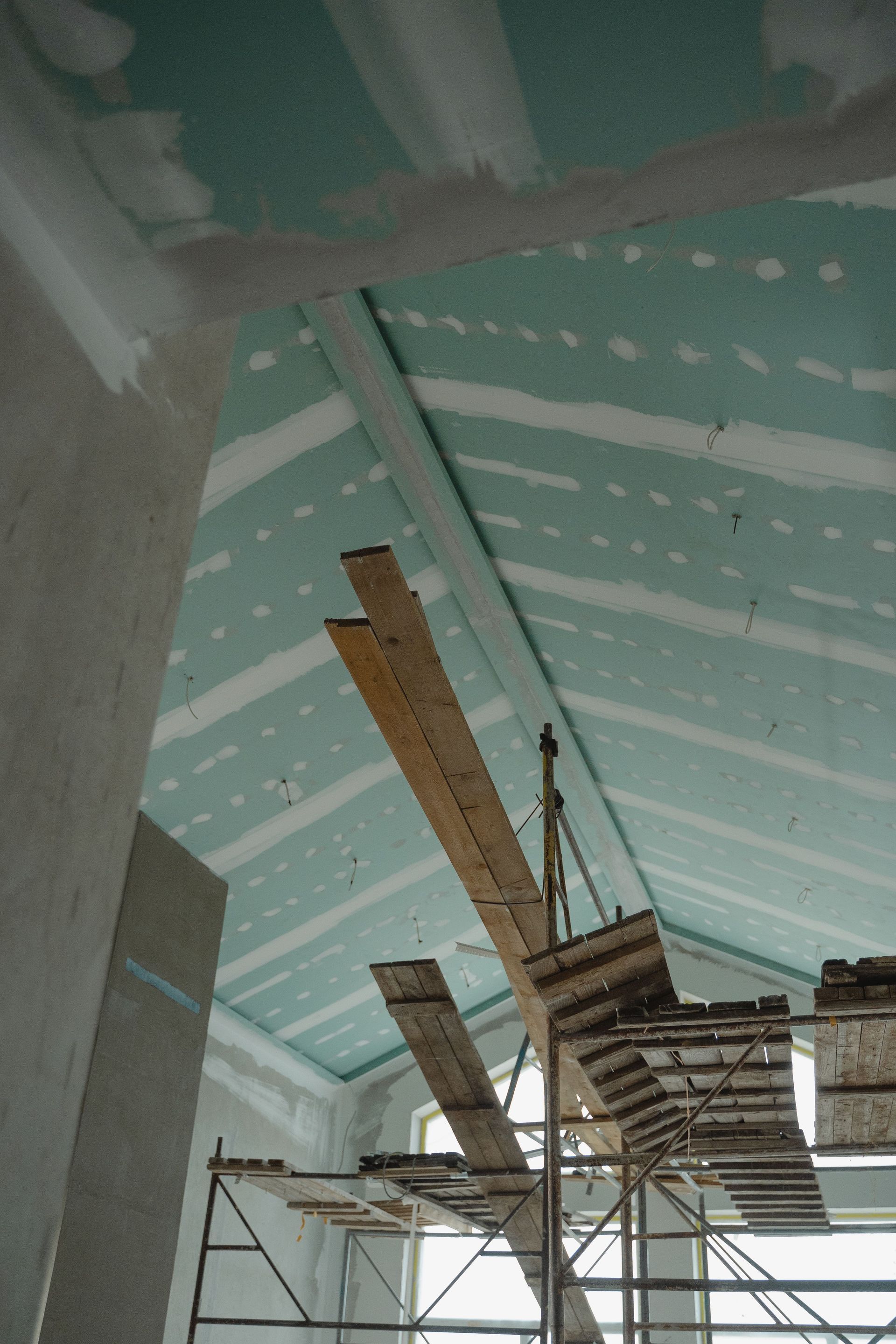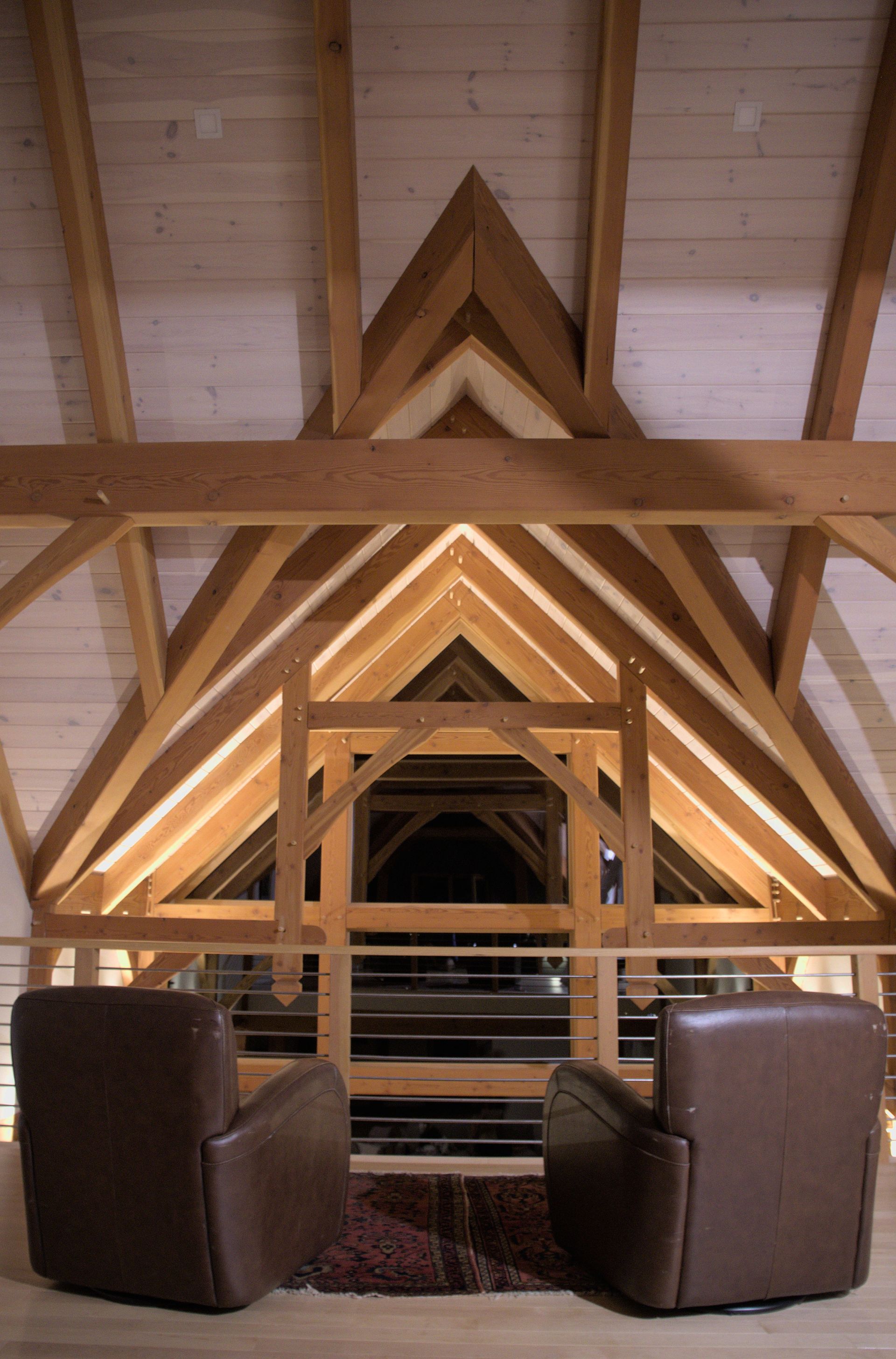
Should You Add On or Build New? What Vermont Homeowners Should Consider

When Your Home No Longer Fits
Maybe your family has grown. You need another bedroom. You want a larger kitchen. Working from home has changed what you need from your space.
Eventually, some homeowners reach a bigger question:
Should we add onto the home we already have—or build something new?
There isn't one right answer. The better choice depends on your existing home, property, priorities and plans for the future.
When an Addition Makes Sense
An addition may be worth considering when you already love your location and much of your existing home works well.
Adding a bedroom, family room, primary suite, expanded kitchen, mudroom, garage or other space can allow you to address a specific need without starting over.
But the existing structure matters. The home's layout, foundation, roofline, utilities and available space on the property can all influence what is practical.
When Building New Makes Sense
Sometimes the list of things you'd like to change keeps growing.
If you need significantly more space, want a completely different layout, or are considering extensive structural and energy-efficiency improvements, it may be worth comparing renovation costs and limitations with the option of building new.
Custom construction also gives you an opportunity to design the entire home around your needs from the beginning.
Consider the Property
The decision isn't only about the house.
Lot size, setbacks, septic capacity, utilities, access, drainage and the location of the existing home can influence whether an addition is feasible.
If you're considering new construction on another property, site conditions and infrastructure become part of that decision as well.
Think Long Term
Try not to make the decision based solely on what you need next year.
How long do you expect to stay? Will your household change? Is accessibility likely to become important? Would additional storage, a garage, first-floor living or flexible space make the home more useful long term?
The best investment is often the one that solves today's problem without creating another one later.
Start With the Bigger Picture
Before deciding between an addition and a new home, define what you're actually trying to accomplish.
Tanguay Homes works with both custom home construction and additions in Northern Vermont, allowing homeowners to explore what makes sense for their property and goals.
Sometimes the home you already have simply needs more room. Other times, starting fresh creates opportunities that an existing structure can't easily provide.
Understanding the difference is the first step.
Frequently Asked Questions
Is it cheaper to build an addition or build a new house?
An addition is not automatically the less expensive option. Costs depend on the size and complexity of the addition, existing structure, utilities, foundation work and finishes. Comparing the complete scope of both options provides a more useful answer than comparing square footage alone.
How do I know if I should renovate or build a new home?
Consider how much of your existing home works for you. If you're happy with the location and most of the layout, renovating or adding space may make sense. If extensive parts of the house need to change, new construction may deserve consideration.
What should I consider before adding onto my house?
Consider your lot, zoning, septic or wastewater capacity, utilities, foundation, roofline, existing floor plan, budget and how the addition will connect to the current home.
What rooms can be added onto an existing house?
Depending on the home and property, additions can create bedrooms, bathrooms, family rooms, kitchens, primary suites, mudrooms, offices, garages, sunrooms and other living spaces.
Does a home addition increase property value?
A well-designed addition can add usable living space and may increase a home's value, but the return depends on the type of addition, construction quality, local market and how well the new space integrates with the existing home
Can you live in your house while an addition is being built?
Often, yes, but it depends on where the addition connects to the house and how much the existing living space will be affected. Your builder can help you understand what portions of the home may be disrupted during construction.